Sign up for the daily CJR newsletter.
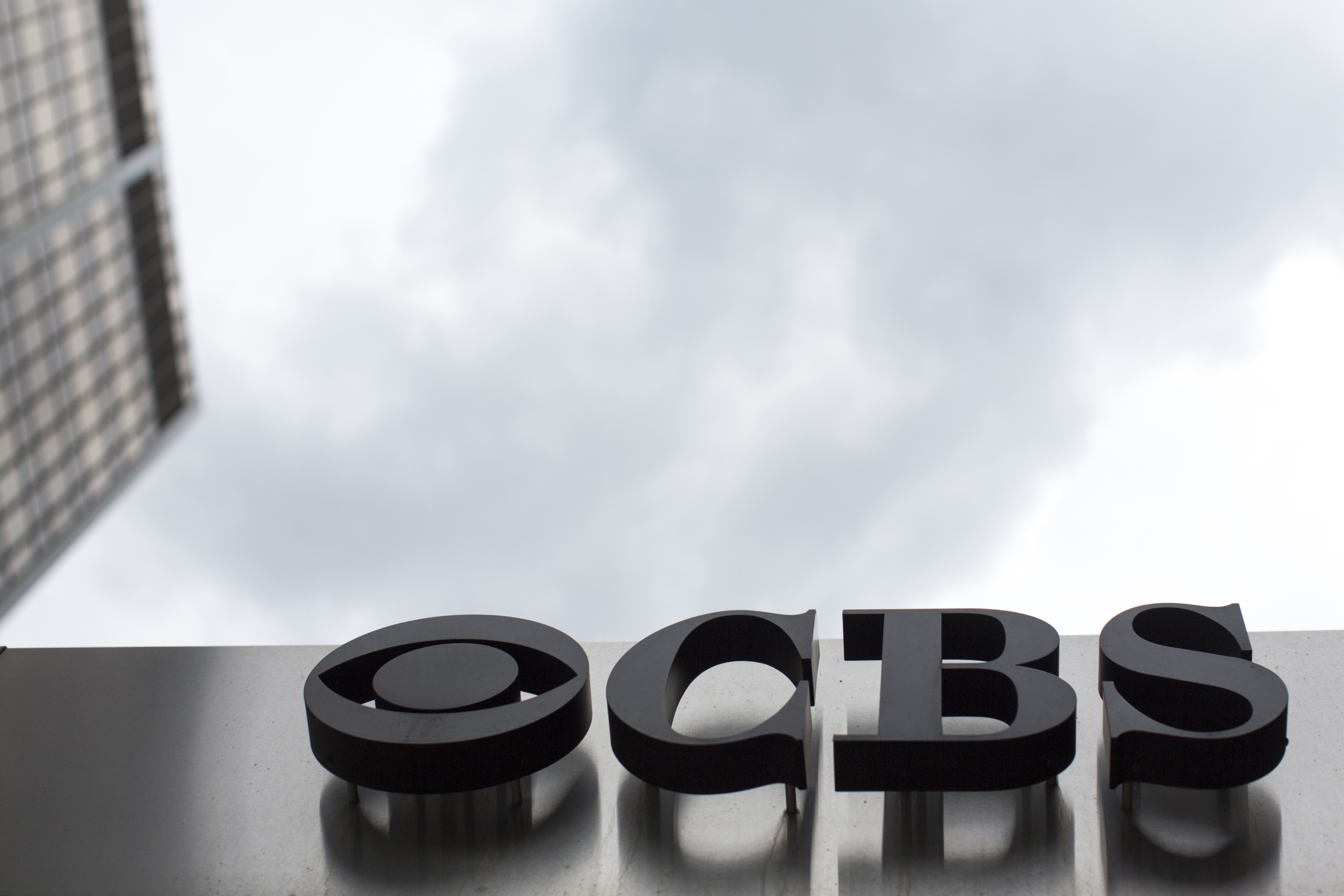
By taking the helm of CBS News, Bari Weiss is silencing herself. Yes, this is a counterintuitive way of viewing the most talked-about media executive of the year. Weiss’s suitability for the editor-in-chief role has been endlessly scrutinized since Paramount announced her $150 million “acquihire” less than two weeks ago. She earned a full episode of John Oliver’s Last Week Tonight. Concerning her first steps in the job, media reporters have left no stone unturned: every memo, every meeting, each sign of intervention in the news agenda has been closely documented.
Weiss has always positioned the Free Press, the publication she left the New York Times to launch, as the authentic voice of scrappy media outsiders. In a podcast for subscribers that announced the publication’s acquisition by CBS, Weiss meditated on the “alternative” roots of its success: “In retrospect, what the Free Press did is uncover an America hiding in plain sight…people who resist the warmth of political tribalism…people who want logic and wit, not conspiracy theories and demoralization.”
Critics might scoff at this self-serving description of the Free Press’s editorial direction. But whatever the Free Press was, or purported to be, it is something else now. Three months ago, it had the power to draw wealthy and powerful figures in the MAGA universe into its sphere of influence. As an independent voice hovering across left, center, and right, Weiss positioned herself as a “critical friend” to the powers in government who was still not beholden to them. Now, however, her voice is fully embedded within a corporate infrastructure that has ceded its independence to the Trump administration. Arguably, her influence may be quieted.
Two months ago, Joel Simon wrote an extensive piece for CJR on the chain of events that led to CBS News settling a lawsuit with President Trump. That capitulation of editorial independence appeared to clear the final hurdle for a merger between Paramount and Skydance, owned by David Ellison, son of Oracle cofounder and Trump mega-donor Larry Ellison. “Ultimately, the question of media capture at CBS is about the future of the network under its new owners now that the merger has been approved,” Simon wrote.
This concentration of media ownership under David Ellison is a worrisome instance of vertical integration in the AI age. Oracle is a technology company, not a media company, but its hosting, processing, and cloud services are very much embedded in the media chain of ownership.
Control of what counts as the news, and how content gets delivered and consumed, is a major geopolitical concern. Capture of that media leaves mass communication vulnerable to manipulation by vested interests. The US government under Trump is aggressively pursuing this centralization of control; the administration has made it abundantly clear that any attempt at regulating powerful US technology companies overseas is an aggressive affront to trade, and tantamount to “censorship.”
During a recent Open Markets Institute conference in Brussels called “The Future of Democracy: Speech, Thought, Sovereignty, and Power in the Age of Platforms and AI,” Roger MacNamee, an early Silicon Valley investor and now a critic of Big Tech, described ascendant AI companies as “breathing new life into old monopolies.” Big Tech companies have long wielded dominance over economic policy and culture, but the regulatory challenges are finally spilling over to issues surrounding media ownership.
Kate Brennan, the associate director of AI Now, a research institute examining the impact of AI on civil society, said that the rise of generative AI “asks some really existential questions about our free press—who is incentivized to make content that is only going to be read by AI scrapers that are pulling us into ever more closed environments?” Brennan warned the academics, policymakers, and journalists in her audience about the fusion of “tech and state power” happening now in the US. The government is trying to control messaging with directives such as this summer’s executive order to prevent “Woke AI.” It is placing conditions on content moderation. It is making deals with AI companies for lucrative contracts.
Deals between rich people and powers in government that skirt or change regulations were not invented by Trump. Rupert Murdoch created his media empire in the 1980s by cultivating close ties with Ronald Reagan and Margaret Thatcher and reaping regulatory favors. Satellite technology and the expanded bandwidth of cable television powered those alliances.
But what media capture looked like in 1980 is not what it looks like today. The massive rollup of Paramount, CBS News, and a tech company like Oracle is remaking the environment, putting more and more of the media under control of the few.
Has America ever needed a media defender more than now? Help us by joining CJR today.