Sign up for the daily CJR newsletter.
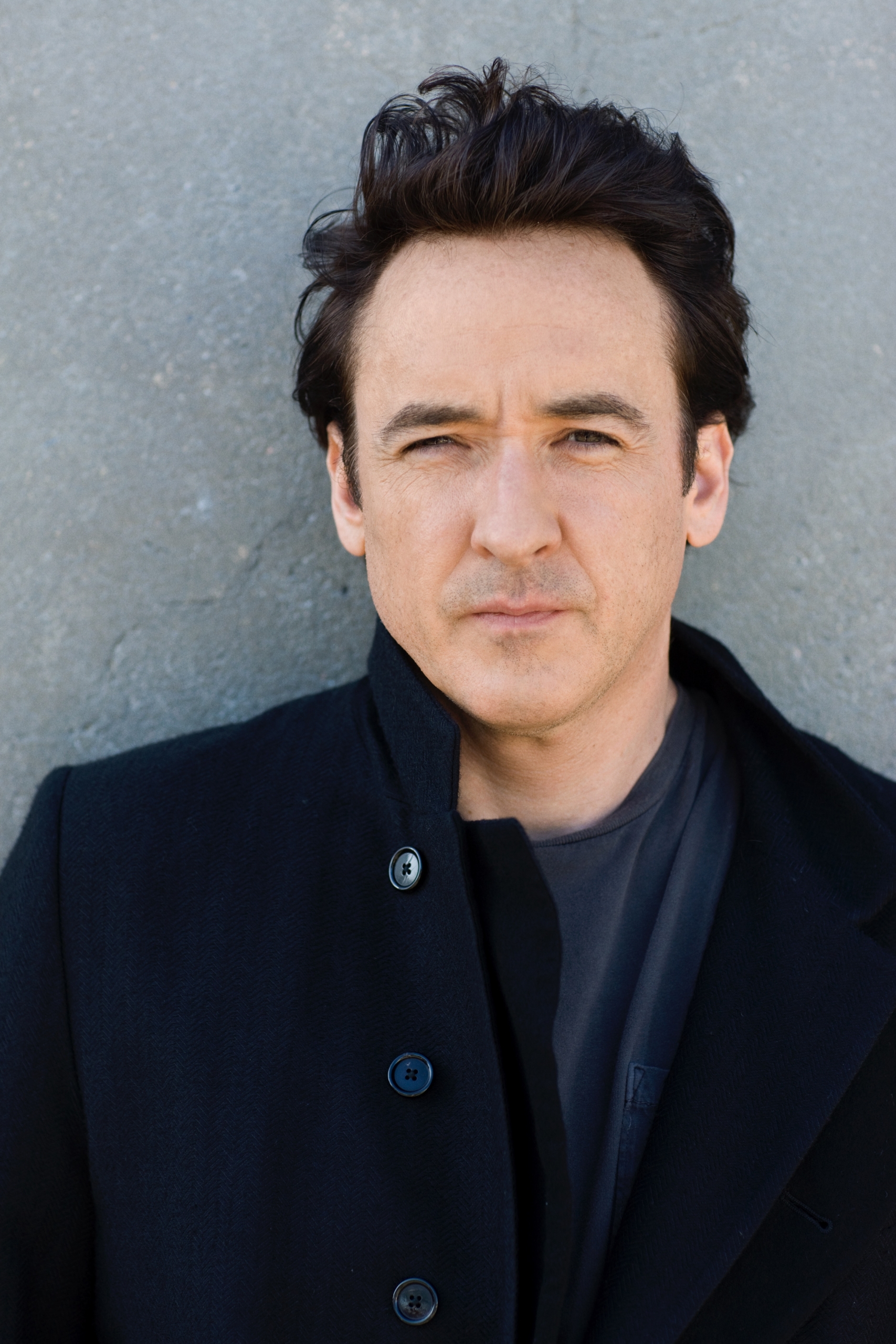
In Midnight in the Garden of Good and Evil, John Cusack, the actor, screenwriter, and director, plays a journalist investigating a murder in Savannah, Georgia. In the 2012 film The Paperboy, he plays a death row inmate who becomes the subject of a journalist’s story. While Cusack has never practiced journalism in the real world, he cowrote the screenplays for High Fidelity and War, Inc., and is a longtime advocate for press freedom. He has served on the board of the Freedom of the Press Foundation—whose members include Wired editor Katie Drummond and filmmaker Laura Poitras—since its founding, in 2012, and has written about human rights, government transparency, and accountability. In 2014, he and the writer Arundhati Roy traveled to Moscow with Daniel Ellsberg to conduct a series of conversations with Edward Snowden, the NSA whistleblower.
I spoke with Cusack recently about the Freedom of Information Act, paywalls, and his view that the current morass of propaganda, misinformation, and black-box algorithms has made press freedom more urgent than ever. “We need a historical record,” he said. “We need real journalists. Otherwise everything’s up for grabs, right?” Our conversation has been edited for length and clarity.
CAG: How did you get involved with the Freedom of the Press Foundation?
JC: We came together about thirteen years ago. I had met the author, lyricist, and cyberspace activist JP Barlow and some other folks, and the impetus was the PayPal blockade against WikiLeaks. So we thought, “Hey, let’s come together and fight this, and while we’re at it, create an umbrella organization as broad as we can for press freedoms,” because given where the country was going and where politics had been going probably since 1980, at some point there were going to be attacks on the free press. So it seemed pretty clear which direction the wind was blowing, and it seemed like being a part of this fight was a good idea—just to be of service.
When we started, there was Dan Ellsberg, myself, Laura Poitras, author and information security engineer Michah Lee, JP Barlow, of course, Trevor Timm, and the writer and civil liberties advocate Rainey Reitman. Around that time, Ed Snowden, who later joined our board and became board president, made his revelations to Laura Poitras and Glenn Greenwald. So we knew about that early on, and I remember telling people, “You know, your phones, everything’s being collected. Metadata is the new oil, and they’re taking everything you’re saying.” People said, ’“You’re crazy.’” And I go, “I’ve seen it. I’ve seen this stuff.”
One of the things you’re particularly interested in at the moment is the Freedom of Information Act, and specifically, ensuring that FOIA-based reporting isn’t kept behind paywalls. Why do you think that’s important?
There’s an irony in the fact that FOIA-based reporting often ends up behind a paywall, because the public owns government records. We fund their creation through taxes, and we fund the agencies that produce them. We fund the FOIA office that processes the disclosure request—the entire apparatus is built on the premise that this information belongs to us. So when the journalist files a FOIA request, the story is the product of public investment. At any stage, the documents are ours. The disclosure process is ours. The reporters’ access exists only because the law recognizes our right to know. If that story then goes behind a paywall, that right becomes a privilege.
Now, this is not an argument against paying journalists, or that the realities of the journalism business aren’t fraught. I get that part of it. Newsrooms need to survive. But the news isn’t just a business. It’s enshrined in the First Amendment.
The First Amendment doesn’t protect industries, doesn’t enshrine the right to sell cars or manufacture pharmaceuticals or operate airlines. It protects religion, speech, press, and petition. The press is mentioned not because newspapers were profitable, but because being an informed citizen is a prerequisite for self-governance. So the press is the only private enterprise explicitly named in the Constitution, not as a commercial interest to be protected, but more as a democratic function to be preserved. And that distinction is important.
If publications remove paywalls for FOIA-based reporting, how would they make sure they’re doing that in a financially sustainable way?
The reality is kind of counterintuitive, but not only is removing paywalls for public-records-based reporting not financial suicide, it’s good business. I’ll quote Katie Drummond here, who, while discussing Wired’s recent unpaywalling campaign, said the magazine made “a calculated bet that our audience would show up for us,” and that bet “paid off above and beyond” what she could have imagined. The outlet saw a huge increase in subscribers after unpaywalling public-records-based reporting and received hundreds of emails from people thanking them for doing it.
So for opinion writing, keep it behind a paywall. You want to have interviews with actors or singers? Keep it behind a paywall. But when it comes to hard news, paywalls don’t just limit readership, they create kind of a tiered citizenry, where one group can afford to know what the government is doing in their name and the other can’t. And it falls along predictable lines. The communities most likely to be surveilled, policed, detained, or deported are the same communities least likely to be able to afford news subscriptions.
In Chicago, during the ICE operation Midway Blitz, when they were flooding the South Side with immigration enforcement, the communities most affected needed basic information: where the arrests were happening, what their rights were, who had been taken. The Chicago Tribune published the names of the six hundred and fourteen people detained and revealed that only sixteen had criminal records, and the Chicago Sun-Times documented conditions inside the Broadview facility that a federal judge called a prison. Now, you can argue that’s essential civic information, yet much of it lives behind subscription paywalls.
Do you think actors and other people in Hollywood have a responsibility to talk about this stuff?
I don’t want to judge anybody for what they feel like they need to do, you know? I’ve been lucky enough to sort of design my life to take risks and roll the dice. So I think it’s a different thing when, if you speak out, you lose your job and you’ve got three kids. If I speak out, I might lose my access to movie capital for a while, which may not be pleasant, but it’s certainly not life or death for me. I mean, it could be fatal, but it depends on your career, I guess.
When I was starting, you had to do so much press and talk so much on tours. And this is even before the junkets, where all the press comes around to talk to the actors or filmmakers. We used to have to fly to the cities and talk all day to everybody local. And you’d do interviews all day, for a month, or two months, but there’s only so many questions you can be asked about the movie, and then people would ask me questions about, well, who I was dating and what I thought of gossip. And I just thought that was a disaster. So I decided to use my platform to talk about justice. I’ve been doing it that way for a while, and I don’t regret it.
Has America ever needed a media defender more than now? Help us by joining CJR today.