Sign up for the daily CJR newsletter.
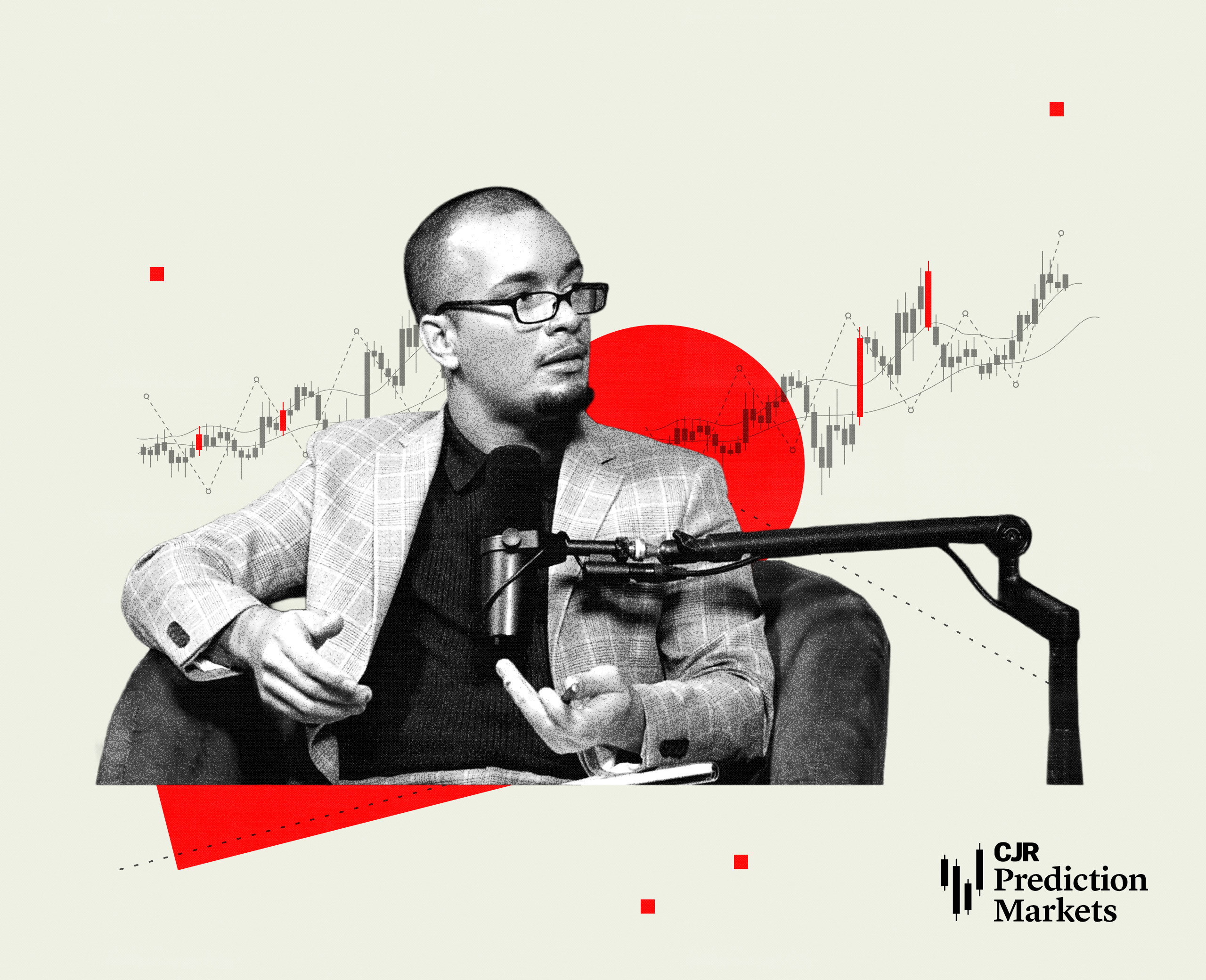
When Kevin Ortega‑Rojas, who is thirty-two, posted about a Texas Senate race in February, he knew it could be controversial. On HeresWhyKevin, his largest social media account, he expounds on political news to five hundred thousand Instagram followers. The post was not only about the election; it also speculated on who would win according to bettors on a platform called Kalshi, where people can wager on events. He’d posted about wagers before, but this time the post was a paid partnership with Kalshi.
The comments were swift and unforgiving.
“This should be fucking illegal,” one follower wrote.
“Disappointing,” wrote another.
Ortega-Rojas’s followers were accusing him of selling out. Some threatened to unfollow him, upset that he seemed to be encouraging betting on elections. (Prediction markets, particularly those tied to elections and war, have drawn a growing backlash.) The scale of the response surprised him, he told me. When the comments kept coming, “I struggled to look away from them,” he said.
Just an hour later, he took the post down, and a few days after that, he posted a video to his Instagram explaining why. “I texted them that it wasn’t worth losing my audience’s trust,” he said in the video, referring to Kalshi. “I’ve spent a lot of time and put in a lot of hard work to build up this platform, so I didn’t think it was worth it.”
Then, after a pause, he said: “But I have to be honest: it’s really hard to give up that kind of money.”
That partnership would have covered two months’ rent, Ortega-Rojas said. As a single parent to a disabled thirteen-year-old son, that income would have made a significant impact on his life.
His project—a one-man news operation called Here’s Why, spanning Instagram, YouTube, and Substack—is his primary source of income and a demanding full-time job. At 5am, in the Jersey City area, he wakes his son for school, makes coffee, and begins reading: the New York Times, the Wall Street Journal, Reuters, the Associated Press, The Atlantic, Fox News, and The Guardian, along with regional publications such as the Texas Tribune, the Minnesota Star-Tribune, and the Chicago Sun-Times, plus a selection of lesser-known blogs.
Ortega-Rojas operates with two phones, one dedicated entirely to news alerts. He monitors congressional hearings and floor proceedings, often watching hours of procedural testimony to find the moments that matter. He posts on Instagram as many as thirty times per day. A typical post might feature a single image and a distilled explanation of local or national news, such as a New Hampshire law banning transgender people from bathrooms consistent with their identities or Immigration and Customs Enforcement facility guards in Texas reportedly betting on who in custody will die by suicide. His aim is not to break news but to curate it, sharing and explaining what’s most important, particularly for audiences he believes are underserved by mainstream coverage: Latino communities, Black communities, immigrants, and transgender Americans.
He also makes longer YouTube videos every few weeks, but unlike other news creators, his work keeps the focus on the news itself, and not on his persona. “I’m a queer man of color, and I don’t have the kind of platform that can absorb people turning on me,” he said in an interview. “I don’t want to be a meme. I don’t want to be social media fodder.”
His income, mostly from Instagram, is comparable to that of a low- to mid-level newsroom journalist, he told me. (He has accepted paid sponsorships in the past from sources other than Kalshi, but mostly from nonprofits such as GLAAD, which, he said, don’t pay well.) The deal with Kalshi evolved after the company messaged him several times over the course of a month, asking him to do a partnership based on the midterm elections. They agreed on a number of posts.
In a video shared later, Ortega-Rojas told his followers that the initial post in the partnership would have paid nearly ten thousand dollars. (When asked to comment on Ortega-Rojas’s decision to pull out of the deal after audience backlash, Elisabeth Diana, Kalshi’s head of communications, said simply, “Trading on elections is one of our most popular markets.”) There was even more money promised for additional posts, he told me.
He continues to ask himself, as he mused in the caption of that video: “How do you survive and earn an honest living online without becoming a salesman?” When we spoke, he told me that he has considered subscription models but remains cautious about introducing direct financial appeals. “In my mind, I’m talking to Black and brown people, and trans and immigrant populations. People who already have a lot to deal with in this world,” he said. “I don’t feel right about making the news accessible to them and then turning around and asking them to support me financially.”
One reason he accepted the Kalshi partnership was that he saw CNN partnering with the platform, and so thought the idea seemed aboveboard for him, too. As a teenager growing up in New Jersey, he imagined becoming a journalist, and he idolized TV personalities such as Anderson Cooper and Chris Cuomo. His Dominican family watched Jorge Ramos and María Elena Salinas on Univision every night. He later worked in restaurant management, but when the industry contracted during the pandemic, he came close to losing his home.
Julio Ricardo Varela, the founder of digital outlet Latino Rebels and, more recently, The Latino Newsletter, follows Ortega-Rojas. He sees Ortega-Rojas’s work as part of a longer continuum. “Watching Kevin reminds me of what we were doing early on,” Varela said. “You’re filling gaps and speaking directly to communities that aren’t always centered in mainstream coverage.”
Adriana Lacy, a media strategist who studies creator-led news models, places that work within a broader structural shift. “I think so much of what happens when people consume news now is curation,” Lacy, the CEO of Field Nine Group, said. “People are overwhelmed with so much news they’d rather have a gatekeeper.”
Over time, Ortega-Rojas has come to learn that editorial judgment isn’t a singular set of rules but a posture that has to be constantly adjusted. “I feel like I’m trying to codify what I’m doing in real time,” he told me. “Sometimes it feels like I’m watching myself from the outside.”
Days after canceling his partnership with Kalshi, he posted screenshots of comments from his followers condemning his decision to partner. In the caption he posted a sentiment echoing that of the detractors: “Don’t bet. Vote.”
“At the end of the day, the only thing I really have is the audience’s trust,” he told me. “If that’s gone, none of this works.”
Note: This article has been updated to clarify Julio Ricardo Varela’s job title.
Has America ever needed a media defender more than now? Help us by joining CJR today.