Sign up for the daily CJR newsletter.
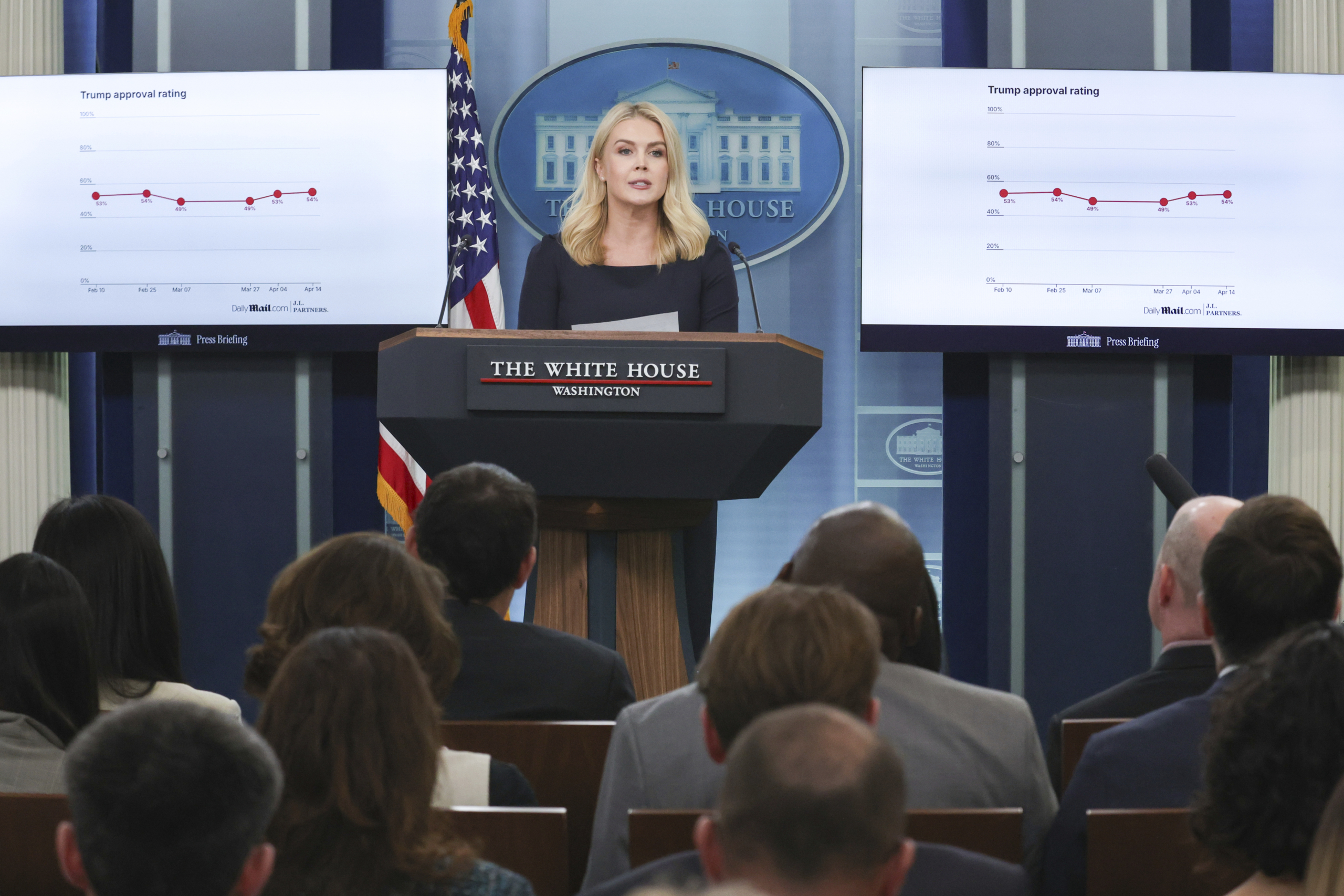
A hallmark of President Trump’s governance has been the disavowal of numbers he doesn’t like, whether it be the size of his inauguration crowd, his loss in the 2020 election, or the latest jobs report. So it fits the trend that, back in April, when public opinion polls showed Trump’s approval numbers taking a nosedive, he lashed out at the polls, calling them “FAKE POLLS FROM FAKE NEWS ORGANIZATIONS” on Truth Social and demanding investigations into pollsters.
Politicians have always criticized unfavorable polls, of course, but Trump doesn’t stop at words. His actions—firing the director of the Bureau of Labor Statistics; filing suit against pollster Ann Selzer—could materially reduce the quality and availability of independent data. While legal experts see the lawsuits against Selzer as meritless, it’s possible that threats of lawsuits aimed at organizations producing unfavorable polls could have a chilling effect. Some of the most credible, highest-quality polling available comes from media organizations and universities, both of which have recently settled lawsuits with the administration.
“In authoritarian societies, they basically suppress these things as a matter of course,” said Robert Shapiro, a political science professor and vice dean of the School of International Public Affairs at Columbia University. Governments in countries like Russia, for instance, publicize favorable polls that align with their rhetoric and sometimes deliberately label independent pollsters as “foreign agents” to undermine credibility. China censors what surveys are even allowed to ask about. But according to Kathleen Frankovic, a former director of surveys at CBS News, regulating polls has historically been difficult in the US. “So many of them are done for the news media, and there is a strong history of the right to freedom of the press,” she said.
Fortunately, we have yet to see any substantial reduction in independent opinion polling. But President Trump undercutting the public’s trust in the accuracy of polls may lead to deterioration of the quality of polling data. “If there’s an opinion leader in the country saying that these metrics are rigged for partisan purposes, that reinforces preexisting skepticism about the industry and might make people less likely to take surveys,” G. Elliott Morris, a data journalist who writes the Substack Strength in Numbers, said. “The surveys can be less accurate if pollsters aren’t correcting for whatever biases that that creates.”
Public trust in political polling has already taken a hit in recent years. “In the last presidential elections, the polling has been off a couple percentage points, which can matter a whole lot in presidential elections,” Shapiro said. “That has really undercut the credibility of the polls in that context.”
Trump exploits this distrust to cast doubt on numbers that show the unpopularity of his agenda. At a rally in Michigan to mark his first hundred days in office, Trump complained that the polls interviewed too many Democrats and made the baseless claim that a “legit” poll would put his approval at 60 or 70 percent. An average of the polls that day put his approval rating at 45 percent; not a single poll approached the numbers he posited.

It is possible that polls are undercounting Trump’s support due, in part, to partisan nonresponse bias, but those discrepancies are often small. While a polling difference of a few percentage points in a close election might really matter, in national opinion polls aimed at understanding what the public thinks of particular policies, polls that are off by a few percentage points still give us a sense of the magnitude of public support. Attitudinal polling of this type is also easier because pollsters don’t have to guess who will turn out to vote.
As of now, President Trump’s average approval rating is low but has leveled off. If it declines again it is possible that he may renew his attempts to undermine polling. “He’s also doing lots of things that are dramatically unpopular in terms of his policy priorities. For example, mass deportations are much less popular than the Trump administration believes,” Morris said.
Polls are built on the idea that “what people think matters,” he continued. “That is a democratic principle, and it motivated the original creation of political survey research in America.”
In some ways, conducting polls is not so different from reporting. It involves cultivating careful listening, crafting questions, and faithfully interpreting responses so that we can hear one another’s stories. Polls are a somewhat blunt instrument for measuring public opinion, but they are also the best tool we have today to listen to the public at the scale of the general population.
It’s more important now than ever for journalists to develop the statistical literacy needed to cover public opinion in careful, measured ways. Just as we should not overinterpret election polls as if they were crystal balls, we also should not neglect them entirely. When done right, they tell us the will of the public.
Has America ever needed a media defender more than now? Help us by joining CJR today.