Sign up for the daily CJR newsletter.
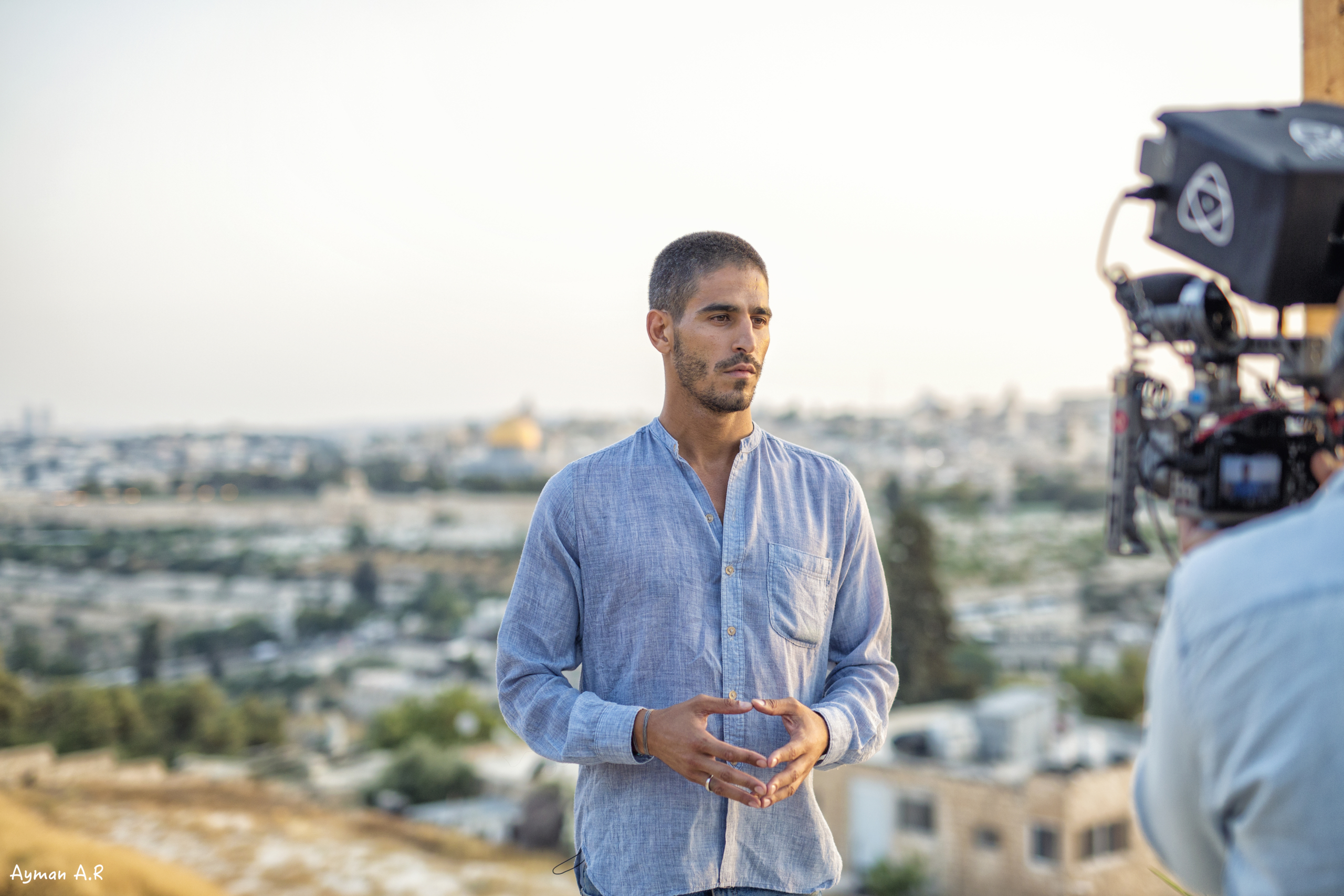
On March 3, Ahmed Shihab-Eldin, an independent journalist with hundreds of thousands of followers on Instagram and other platforms, was arrested in Kuwait City. According to the Committee to Protect Journalists (CPJ), authorities have charged him with “spreading false information, harming national security, and misusing his mobile phone,” allegations that CPJ said were “vague and overly broad accusations that are routinely used to silence independent journalists.”
I’ve known Shihab-Eldin—who is forty-one, and an American-born Kuwaiti citizen of Palestinian descent—for years. We both attended Columbia Journalism School at different times, and he has gone on to become an award-winning journalist whose work spans major international outlets, from PBS Frontline to the New York Times, covering social justice and human rights issues in the United States, the Middle East, and beyond. I have known privately about Shihab-Eldin’s circumstances for a while, but press freedom advocates have only now determined that going public could help his case.
Since his detention, CPJ has been involved in advocating for fair proceedings and for his ultimate release. Jodie Ginsberg, the organization’s chief executive officer, told me that censorship of journalists and news outlets has increased dramatically in the Gulf amid the Iran war and that “national security is being used as a pretext to crack down on freedom of speech, and Shihab-Eldin’s detention is emblematic of that. He must be freed immediately,” she said.
I remember the first time we collaborated, on an episode of Al Jazeera English’s The Stream, for which he was a host and I was a young reporter covering the Arab Spring. At that time, the internet was for us a place of hope and freedom. Shihab-Eldin was a natural in that format: quick, elegant, never boring, speaking about current events in a way that audiences found relatable. It wasn’t so much about his performance as his presence. (The Stream earned him an Emmy nomination.)
What distinguished him early was his ability to cut through the formality that defines so much institutional journalism. Though Shihab-Eldin is opinionated, his coverage is grounded in reporting. He understood early on that audiences crave listening to journalists who are transparent about the intent that drives their work. Over the years, he has remained stubbornly unique, direct and engaged, and unwilling to be silent about the shortcomings of a news media industry that is all too often constrained by editorial caution and ideological pressure. That remained true as Israel devastated Gaza, when Shihab-Eldin became a source of counterpoints. Using his years of experience in the mainstream news world, he attracted followers who wanted to hear from a reporter who identified events accurately and resisted euphemism.
The last time I saw Shihab-Eldin in person was almost exactly two years ago, on a cool April night at the International Journalism Festival in Perugia, Italy. It’s a yearly ritual where conversations about the future of the industry start in formal panels, then spill into the piazze late into the night. I was about to start teaching at Columbia, and he was proud of me—that someone from the MENA region would be among the teachers in the place where we’d both studied (and where he was also an adjunct professor). We laughed and discussed the world. I loved discovering his personality through his Palestinian-accented Arabic; I had only heard him speak English before. Later, our busy schedules didn’t allow us to see each other in real life, but we kept in touch whenever he mistakenly called me instead of his aunt Aida, or to share upsetting updates on Gaza.
Today, journalists from around the world will once again gather at that very same festival, amid that ancient Italian city of cobbled streets and rolling hills. Shihab-Eldin won’t be there, moving through crowded rooms, talking with colleagues about topics we all care about: sustainability, credibility, resilience.
Press freedom in the Middle East and North Africa, already dire for as long as I can remember, has worsened since the escalation of conflict with Iran at the end of February. Governments across the Gulf and neighboring states have moved to tightly control information about the war, and journalists and observers—really anyone sharing information that challenges the official narrative—have faced consequences. Prominence and US citizenship have not protected Shihab-Eldin from the very real risks MENA reporters fight against daily.
“Journalism is not a crime,” Sara Qudah, the MENA regional director of CPJ, wrote in a statement yesterday. “Shihab-Eldin’s case reflects a broader pattern of using national security laws to stifle scrutiny and control the narrative.”
Has America ever needed a media defender more than now? Help us by joining CJR today.