Sign up for the daily CJR newsletter.
Ordered to let journalists back in, the Pentagon instead banished them to an annex on the far side of its parking lot. A Pentagon reporter called that “an elaborate troll.” Another told me it was “a bullshit move.” “How weird is that?” Paul Friedman, a United States District judge, remarked at a hearing on Monday. “Is it Catch-22? Is it Kafka?” Kevin Baron—the founding executive editor of Defense One, who spent fifteen years covering the Pentagon—said the Defense Department is playing games: “Across the administration, they are purposely breaking rules and doing what they want, for as long as they can,” he told me. “This is the definition of asking for forgiveness later, except they’re not even asking for forgiveness. If they wanted to comply, they would have done exactly what the judge said the first time.” Making this move while the United States is at war, Baron said, is especially problematic. “During the Afghanistan and Iraq wars, the Pentagon would have daily off-camera, on-record gaggles. Every morning, a dozen or more reporters would gather in the press secretary’s office, sit on the couches, chairs, even on the floor, and just shoot the shit. You had these moments because the Pentagon wanted to control the narrative; they wanted to do their jobs. And reporters sat in the audience and we did our jobs. All that’s gone now.”
The latest chapter in the surreal Pentagon saga began on March 20, when Friedman ruled that draconian reporting restrictions imposed by the Pentagon in October violated the First and Fifth Amendments by constraining basic journalistic practices and giving officials unbridled discretion over credentialing. The court vacated the unconstitutional provisions and ordered the reinstatement of seven Times reporters’ passes, known as Pentagon Facility Alternate Credentials, or PFACs; it also said that credentials had to be restored to all the other journalists who left the Pentagon last fall upon declining to sign on to the policy. Friedman denied the Pentagon’s request for a seven-day administrative stay, meaning that the ruling took immediate effect. Sean Parnell, the chief Pentagon spokesperson, vowed to appeal.
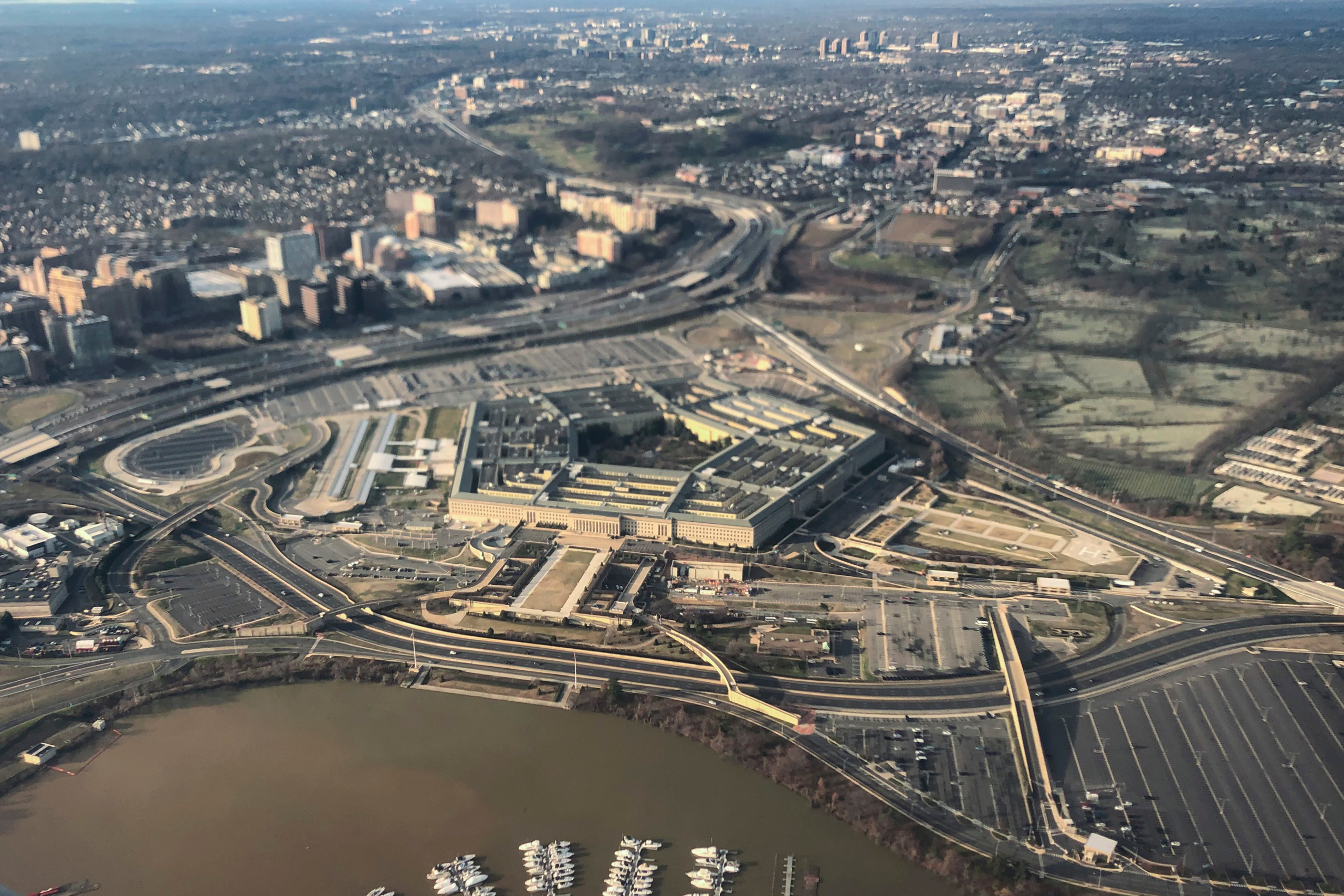
“Nobody in the press corps had a clear idea what would happen next,” a reporter for a major national media organization, who asked not to be named because their employer didn’t give them permission to speak to CJR, told me at the time. “That was exacerbated by the fact that nobody in the Pentagon knew what would happen next.” Then, last week, instead of opening the building to journalists—who had, as a press corps, worked there for fifty years prior to October’s exodus—the Pentagon pivoted. According to an affidavit, when Julian Barnes, a Times national security reporter and named plaintiff in the paper’s lawsuit, and his colleagues went to pick up their badges at the Pentagon press office, the passes no longer gave them access to the building. The reporters were told that they’d be allowed to enter only with an escort, and only for prearranged interviews and press briefings. A new press area was designated in the Pentagon Library and Conference Center—a separate building north of the main structure and below ground level—but a Pentagon memo said the space wasn’t yet ready to use. Moreover, Barnes and his coworkers pointed out, they could only get to the library through a corridor connecting it to the main building, which they could no longer enter. They were told to use a Pentagon shuttle bus, but journalists are not allowed to ride such buses. (Barnes and the others were later told they would, in fact, be granted access to the bus.) In a supplemental declaration filed late on Tuesday, the Pentagon claimed that reporters “can walk, drive, carpool, rideshare, or take the Pentagon shuttle bus to the North Parking Lot and then cross the Corridor 8 Pedestrian Bridge” to the library.
The Pentagon also issued an updated version of its press policy, replacing the word “solicitation”—referring to reporters’ seeking information from sources—with the phrase “intentional inducement of unauthorized disclosure.” But the new document, which took effect March 23, adds that offering anonymity to DoD officials or maintaining a tip line “specifically directed at Department personnel” can lead to the revocation of press badges. (In its declaration on Tuesday, the Pentagon said that “the Department does not actively monitor published stories to identify anonymous sources, and the publication of a story with an anonymous source does not necessarily suggest a violation of the policy.” But it added that Pentagon employees can report journalists who attempt “to induce the employee to disclose information the employee is not authorized to disclose.”)
Last Tuesday, the Times filed a motion to compel the Pentagon to comply with the court’s order, arguing that the Pentagon had actually added restrictions by requiring escorts in the building at all times and barring journalists from offering sources anonymity. “The Interim Policy is an attempted end-run around this Court’s ruling,” Times lawyers wrote in the filing. In a statement to CJR, the Times said it appreciated the court’s continued interest in “this important press freedom case.” The Pentagon didn’t comment publicly in response to the motion and didn’t respond to my requests either.
This week, the Times and the Pentagon were back in court. Friedman didn’t force the Pentagon to immediately comply with his order, but he appeared skeptical of its arguments and once again raised concerns about journalists being penalized for simply doing their jobs. Friedman also seemed to be struck by the logical fallacy in a policy that would send journalists to a library without authorizing them to physically get to it or making it available for their use. “That hardly seems consistent with right of access and the First Amendment,” he reportedly said. (In its filing on Tuesday, the Pentagon said the library space was ready.)
“The Pentagon tried to appear to comply with the judge’s initial order—and clearly, they are not,” Barbara Starr, who spent more than two decades as CNN’s correspondent in the building and is now a senior fellow at the University of Southern California’s Annenberg Center on Communication Leadership and Policy, told me. “It may never now be restored to what it was. But reporters will continue to report. They will continue to talk to sources, and they will get information from them, no matter how uncomfortable it makes the Pentagon.”
But in terms of physical access, reporters are keeping their expectations low. The October policy had referred to a Pentagon plan to “upgrade the space used by PFAC holders to a different area that provides WiFi access and cell phone service, as well as increased space for the expanded press corps.” The DoD cited this as a rationale for having suddenly closed the “correspondents’ corridor”—where the press previously worked—and moved journalists to a separate building. According to the memo issued last week, no journalists—even those whose pro-MAGA statements had made them darlings of Pete Hegseth, the so-called secretary of war—are allowed in the Pentagon’s outermost E-ring hallway, where the press corps used to be.
“I think it’s clear they waited to see how the lawsuit would play out, and I think the government thought they would win,” a reporter for a trade publication, who asked not to be named because they feared reprisals from the Pentagon, told me. The latest policy, they added, is “clearly retaliatory.”
While the press awaits the court’s next ruling, life goes on at the Pentagon. On Tuesday morning, Hegseth and Dan Caine, the chairman of the Joint Chiefs of Staff, held a briefing inside the building. Other than Reuters, the only news outlets that got to ask questions were staunchly pro-Trump—but for once, Hegseth did not direct a tirade against the media. All journalists, even those who had desks as of last week, were escorted straight to and from the briefing room, amid what the reporter for the national outlet described to me as heightened security both at the entrance and during the event. “One of the press bullpens is used by Pentagon staffers now,” they said. “There’s a growing sense of numbness, and the realization that everything is going to be a fight.”
Has America ever needed a media defender more than now? Help us by joining CJR today.