Sign up for the daily CJR newsletter.
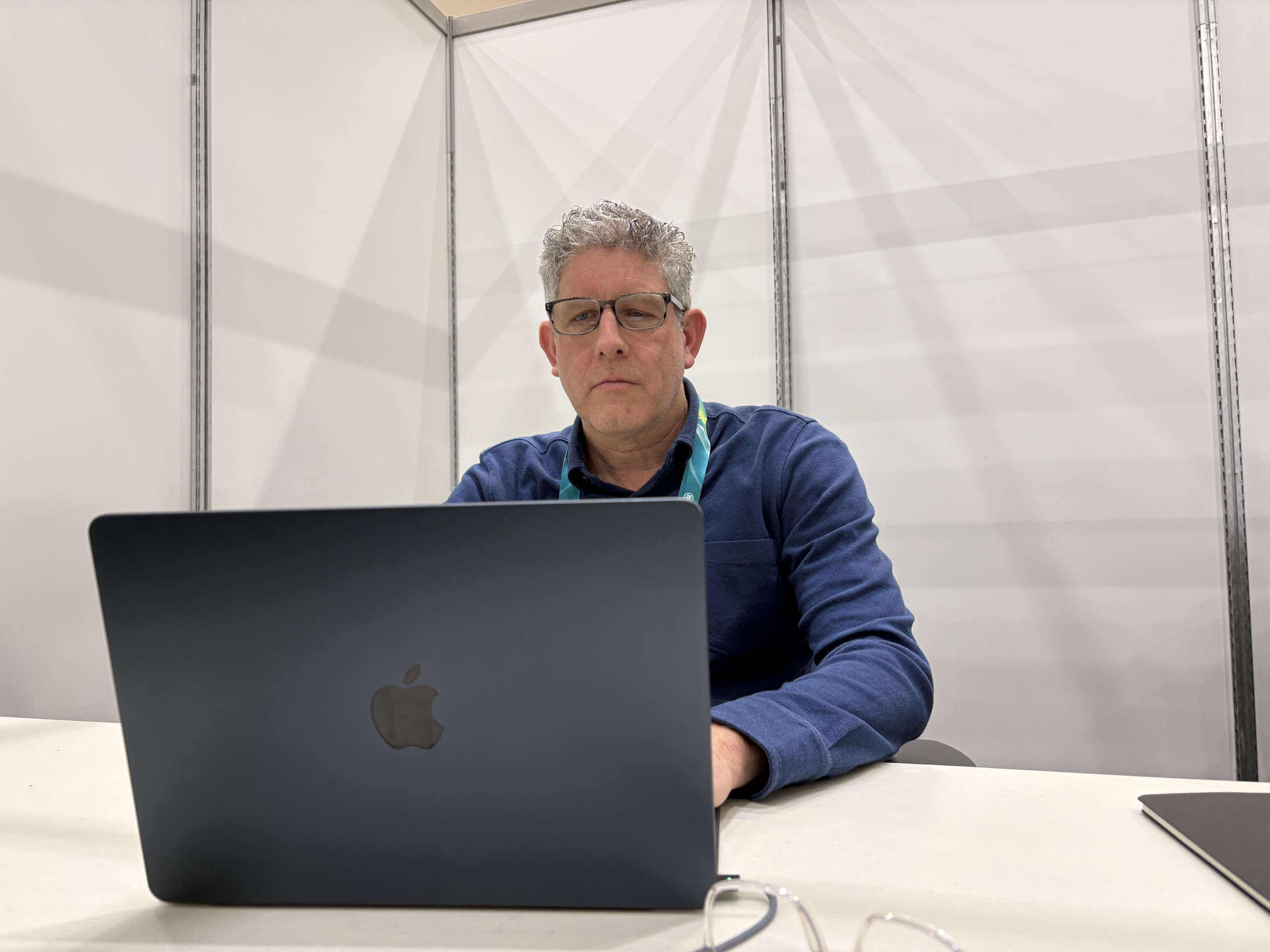
Last Wednesday, Les Carpenter, a sports reporter for the Washington Post, was sitting next to his colleague, Rick Maese, in the press area of the Winter Games in Milan. It was two-thirty in the afternoon, and they were on the same Zoom call as their coworkers on the East Coast, listening to the devastating announcement that the Post would lay off more than a third of its journalists. The sports section was first in line: every reporter and editor was fired or reassigned. Maese was kept. Carpenter was let go.
Carpenter worked for the Post’s renowned sports section from 2005 until 2010, then did stints at Yahoo Sports and The Guardian before returning to the Post in 2018. After laying him off, the paper gave him the option to come back to the US, but he decided to stay and cover the Games. He is still in Milan, and he expects to stay until the Olympics end, on February 22. “There’s nothing that has been clarified about the future,” he told me. “I don’t know anything past February 23.”
We spoke a day after Carpenter was let go, and I followed up with him this week. Our conversation has been edited for length and clarity.
ILN: How are you feeling now that the Washington Post’s sports section is virtually over?
LC: I’m just sad because we were the last American sports section, and I think people recognize that. I’m sitting here in the media center in Milan, and so many people are coming up to me to tell me how much they loved Washington Post Sports. It had such a tight connection with its readers.
I mean, it was my dream sports section. I remember talking to the great Sally Jenkins one day, and she said it’s like Murderers’ Row here—an old reference to a New York Yankees team that had a whole lineup of Hall of Fame players. They just laid off a Murderers’ Row, and they did that all over the paper.
What do you make of this decision? Not that long ago, it would’ve sounded crazy to kill a sports section for “losing money” and “not reaching audiences.”
Even less than a decade ago, when I came back from The Guardian, we were thriving. I think we as a company were making money, and it feels like somewhere along the line, someone didn’t figure out how to continue to make money off it. I don’t think we had a journalism problem.
You said that the Post was your dream sports section. What motivated you to become a sports journalist?
It’s funny—I never wanted to become a sportswriter. I wanted to be a political journalist. I went to the University of Missouri, and I would go to the journalism school library and all the papers from all over America were there, including a big shelf for the Washington Post. I loved that you could have this great newspaper that covered the world. I knew about all the Watergate stuff, but at the same time, it had an unbelievable sports section. And I’d sit at these tables in the library, pull out the sports section first, and just devour it. That’s where I decided that I really wanted to work for the Post. I didn’t even have any connections to the Washington, DC, area.
I still wanted to be a political writer—I kind of stumbled into sports accidentally. I had a couple of freelance jobs in college that led me to being a sportswriter. Before the Post, I had a great job in Seattle. We had our first child there. We had bought a house, and we had just finished fixing it up when the email from the Washington Post came, and it was like, “Well, there’s that! We’re going to Washington! It’s the Post!” My wife’s still mad at me!
When I returned to the Post in 2018, it was amazing to walk back in. I even bought myself a little sport coat, you know; I wanted to come back with a little class. The old building was gone. I looked around and it was all the same people I knew before, but it was like a spaceship. The hallways were buzzing, desks were all filled—there was so much energy. I think about that now and it makes me sad.
A few weeks ago, we learned that the Post had canceled its plans to send reporters to the Olympics. Then a few days later, they changed their minds and sent a smaller team, including you. How did that affect you?
I was covering a World Cup story before, so I flew somewhere else first and then came here. I got in a little earlier because of that, a week after the initial news. But once you get to an Olympics, you really fall into the flow of it.
The greatest stories in the world are at the Olympics, and it’s so much fun if you love to tell them like I do. Last Wednesday was a rude awakening, but the next day I was back working on stories. I’ve got a tape to transcribe here once we hang up, then I’ll go find another person for another piece that I want to write—it’s business as usual.
How did you take the news of the layoffs?
It was shocking for everyone. There were a lot of rumors and speculation, and I think that a lot of people back in Washington had already made peace with it. I don’t know if I had; I was a bit stunned. But I’m staying here, I’m not going home. We still have a sports section for a few days, and the readers need me to tell a story.
What do you think about the support that the Post’s journalists are getting?
This is a weird thing, but I haven’t paid a lot of attention to it. I’ve gotten several personal messages, and they’ve been very kind. I’m happy to hear it—I think a lot of people feel the same as me and think that this was something special. I hope the Post will figure it out and go, “Well, gosh, this was a mistake.”
The Games officially began on Friday. How does a day in the life of a reporter at the Winter Olympics look?
I usually get up at 6am, the hotel breakfast starts at 7, and I try to get to my favorite coffee shop here in Milan by 8. I get a latte, and I go straight to the main press center, where we have an office, and I can work a little bit before the events. I talk to some International Olympic Committee and Team USA people in the meantime. I’ll go to at least one or two things a day and look for stories that are unique and set our coverage apart.
How do you see the future of sports journalism in this climate?
It’s tough, but I try to be optimistic. There are still great young journalists. I still believe that people want to read good storytelling, that people want to read good reporting, that people do care about the truth. I had so many people come up to me in the last couple days saying that they open the Washington Post because they know that they will get a true story. So, I believe as long as people are looking for that, there’ll be places that deliver it. And I hope the Washington Post does too.
How do you see your future? Do you know what’s going to happen when you go back to the US?
No, I haven’t thought about that, as I said, because I’ve been focusing on my work so much. I’m sure it’ll come up more toward the end of the Olympics, but I haven’t applied for a job or anything while I’m here. But I’m going to remain positive. I’ve been down this road before, and I’m sure I’ll go down it again.
Has America ever needed a media defender more than now? Help us by joining CJR today.