Sign up for the daily CJR newsletter.
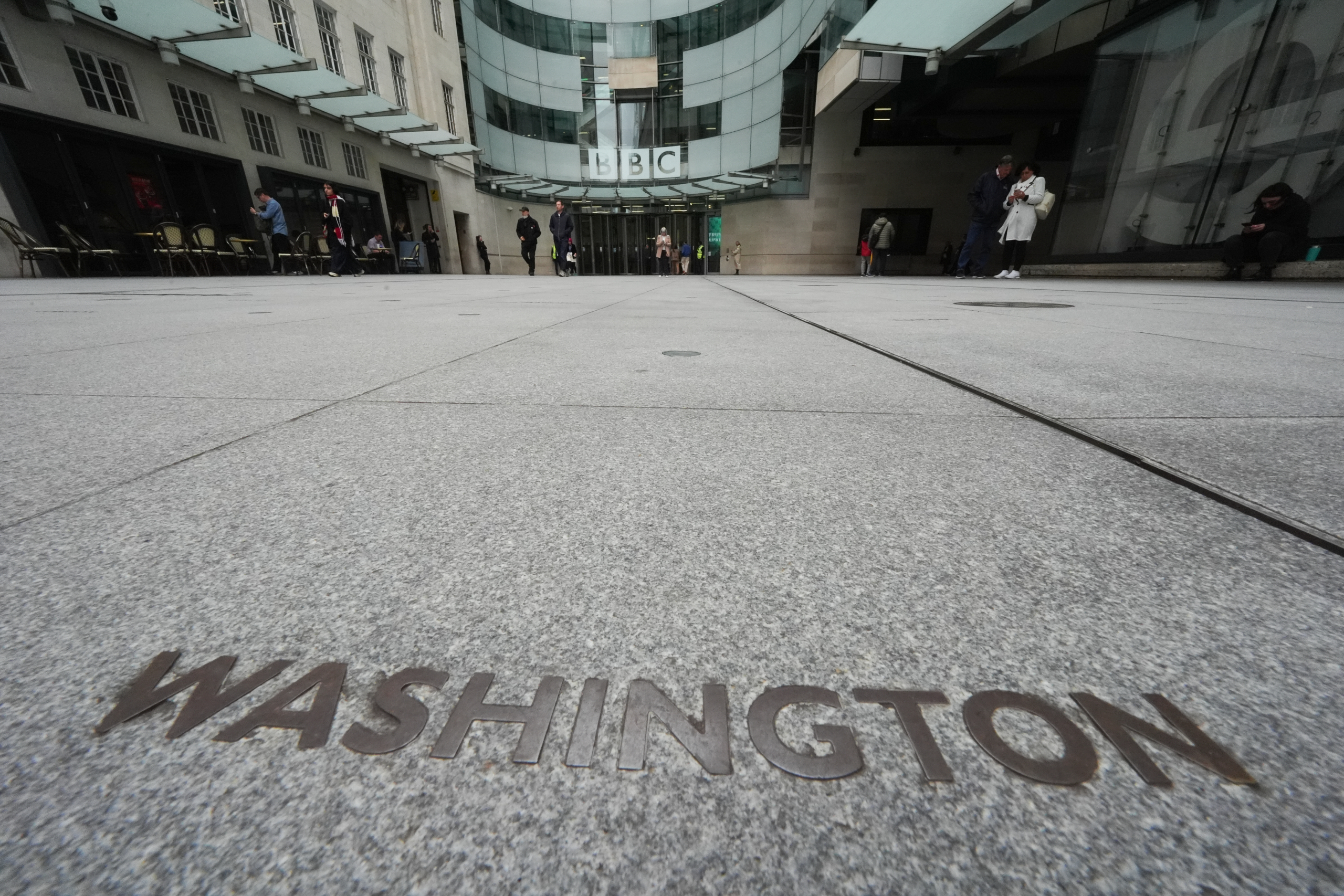
Last week, I wrote about the BBC’s big ambitions for the US market and its confidence that a just-the-facts approach, combined with a global sensibility, would give it a competitive edge in Trump’s America. “We don’t assume an ideological position on the part of our audience,” Kevin Ponniah, the BBC’s Americas regional director, told me. “Our journalists are completely impartial.”
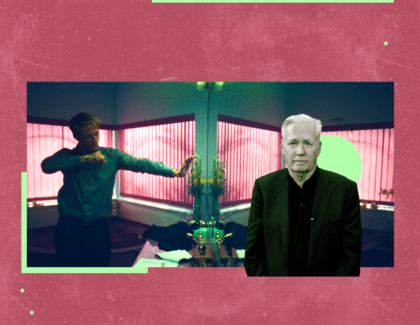
The same day my column ran, The Telegraph published a story that seemed to utterly upend those plans. Based on a leaked internal memo, it alleged that a documentary aired just before the 2024 US presidential election on the BBC program Panorama had “doctored a Donald Trump speech by making him appear to encourage the Capitol Hill riot” of January 6, 2021.
The Telegraph story set in motion a cascade of events that led to the resignation of the BBC’s top executives, director general Tim Davie and chief executive for news Deborah Turness. On November 7, White House press secretary Karoline Leavitt told The Telegraph that the BBC is “100 percent fake news” and a “leftist propaganda machine.” Trump is now threatening to sue for a billion dollars unless the BBC compensates him for the “harm caused.”
Trump’s legal threats over bad press have become mundane, but in this case he is being deployed as part of a concerted campaign by conservatives who seek to discredit and ultimately defund the BBC, according to many of my own sources and coverage in the UK. The campaign is spearheaded by right-wing firebrand Nigel Farage, leader of the Reform UK party, who has his eye on 10 Downing Street, and supported by elements in the conservative media with a long-standing animus toward the BBC, which they view as hopelessly biased. The threat appears existential. The BBC’s revenues are largely derived from a government-mandated license fee, which is set to expire at the end of 2027.
Trump’s attack on the BBC also shows how his administration has sought to undermine the very concept of public media, a strategy that now extends beyond US borders. Project 2025 called for the US Agency for Global Media, which funded Voice of America and Radio Free Europe/Radio Liberty, to be reformed or defunded. It also called for defunding the Corporation for Public Broadcasting, which directed congressional allocations to NPR and PBS. Both objectives—viewed as long shots when Trump took office—have been achieved.
“The BBC should be defunded just like NPR,” Mike Gonzalez, who has been involved in Project 2025 and led the campaign against public media in the US, told me. Of course, that decision will ultimately be up to British voters.
The BBC still enjoys robust public support and even engenders pride in the UK, according to the Reuters Institute. But it’s facing enormous challenges. Younger Brits who have grown up on streaming and apps are not keen to pay the license fee of around two hundred and thirty-three dollars a year. The leaked memo that led to the current crisis criticized the BBC for leftist bias, but the outlet is also facing criticism from the left. Many see an effort to placate the conservatives, particularly in regard to its coverage of Gaza.
The BBC board, which has sought to counter criticism by bringing on more conservative members, is today hopelessly divided over the meaning of impartiality. Meanwhile, the somnolent liberal government of Keir Starmer seems unwilling or unable to stand up for the national broadcaster. Institutional inertia and a rigid bureaucratic structure make it difficult for the BBC to speak out and defend itself when it’s under attack.
An additional challenge is the process for developing documentaries like Panorama’s “Trump: A Second Chance?” BBC documentaries are commissioned by the Current Affairs division. Under the Royal Charter, the BBC is required to support the British film industry, which it does by allocating significant resources to finance independent productions.The Trump documentary was produced by October Films, a highly regarded production company based in London and Los Angeles that’s known for its edgy approach. According to a source with experience in documentary production, news editors are not involved in the process and are generally unaware of what is coming down the pike until a few weeks before airtime. This has been a long-simmering source of internal tension.
Trump is not the only leader to have been enraged by a BBC documentary. In 2023, a two-part film on Indian prime minister Narendra Modi, which touched on his alleged involvement in the 2002 Gujarat massacre that left more than a thousand Muslims dead, prompted the Indian government to block access in India. Tax authorities also raided the BBC office, alleging violations of foreign-ownership laws. To come into compliance with Indian regulation, the BBC was forced to spin off a new entity called Collective Newsroom, which is operated by its former staff. The work-around has disrupted the BBC’s ability to operate in a critical global market.
In the Panorama edit that led to the current meltdown, Trump is seen telling his supporters to “walk down to the Capitol” and “fight like hell,” when in fact those two phrases were uttered more than forty-five minutes apart. While legal analysts view Trump’s potential claim against the BBC as weak, he may not need to win in court. Trump’s modus operandi has been to use the threat of legal action against the media as a point of leverage, successfully securing settlements from both ABC and CBS, which capitulated in the face of regulatory pressure.
It’s difficult to imagine the BBC, a public service broadcaster sustained by British taxpayers, settling a legal claim with Trump. But the president could resort to other strategies—for example, withholding visas or invoking the Foreign Agents Registration Act—to undermine the BBC’s US operations. Even if Trump harbors no particular rancor for the BBC, he may be motivated by a desire to support his allies on the British right, including Farage, who are seeking to kneecap the organization.
As unfortunate as the contretemps with Trump may be for the BBC and its efforts to expand into the US market, this does offer an opportunity to test the strategies that it will ultimately need to survive looming threats at home. Can an organization that is mandated to cover the news impartially make a case for the value of its approach? Can it defend its independence and integrity in the face of an effort to discredit and undermine it? Can it craft a successful response and communicate it effectively? Can it find new leaders who know how to articulate a vision and mobilize the public?
I reached out to Alan Rusbridger, the former Guardian editor, Oxford don, current editor of Prospect, and all-around media guru, to ask if he thought the BBC’s US strategy had blown up in its face.
“I think the BBC still has a good shot of breaking into the US,” Rusbridger told me. “I hope they keep going with it, though this is meat and drink to Trump.” However, if the BBC fails to find its way out of the morass, it could greatly undermine its position with the British public. “There’s been a determined effort to kill off the BBC for years,” Rusbridger acknowledged. “Farage might even manage it.”
Has America ever needed a media defender more than now? Help us by joining CJR today.