Sign up for the daily CJR newsletter.
This weekend, Russia will hold its first parliamentary elections since its forces invaded Ukraine, in February of 2022. For President Vladimir Putin, the stakes are low: the country’s sole pro-peace party was banned from running for seats in a chamber that holds no effective power anyway. Yet the election comes at an uncomfortable moment for the Kremlin. This year, Ukraine executed precision drone strikes on oil depots, bringing the war closer to Russian civilians. “People stopped consuming news. They tried to escape into their private lives,” Ivan Kolpakov, the editor in chief of Meduza, a Riga-based exiled news outlet, told me. “But now people are interested in the war coverage again.” To deliver it, Russian media, operating almost entirely from abroad, face a twofold challenge: getting information out of Russia safely, then getting it back in.
Since Putin’s ascent to power, in 1999, independent news outlets in Russia have been an endangered species. After Russia annexed Crimea, in 2014, Moscow empowered prosecutors to shut down entities it deemed a threat to the constitutional order, a category that included all major media organizations. The government also forced outlets that received funding from abroad to register as foreign agents, opening them up to public audits. Following the invasion of Ukraine, Moscow effectively shut down independent online news, along with most social media. “At least twenty-nine journalists are in prison,” Fiona O’Brien, the Committee to Protect Journalists’ regional director for Europe and Central Asia, told me. “The fact that those prosecutions are still happening tells you that independent voices are still being shut down.”
When Ukrainian drones started hitting oil refineries near Moscow, reports of fuel shortages filled the pages of the international press. Alexander Borodikhin, a reporter and editor for Mediazona, another exiled Russian news outlet, told me that many of these reports were based on social media posts and eyewitness accounts from gas stations. Mediazona chose not to rely on these largely unsubstantiated reports, fearing that Ukrainian platforms might try to amplify the news to sway the Russian public. Instead, he and his team scraped publicly available data, including bank registries of gas station transactions, to create a map that tracked the availability of fuel. “The insights from the data fill in for the ability to be present,” he told me.
To get on-the-ground information, exiled news outlets like Meduza and iStories, an investigative outlet, rely on “proxy reporters,” or undercover freelancers who use encrypted channels and false identities to evade authorities. Their job is similar to spy work. “We still work with reporters inside Russia, but I can’t disclose any details about our cooperation for security reasons—these journalists risk their freedom to do their work,” Roman Anin, the founder of iStories, told me.
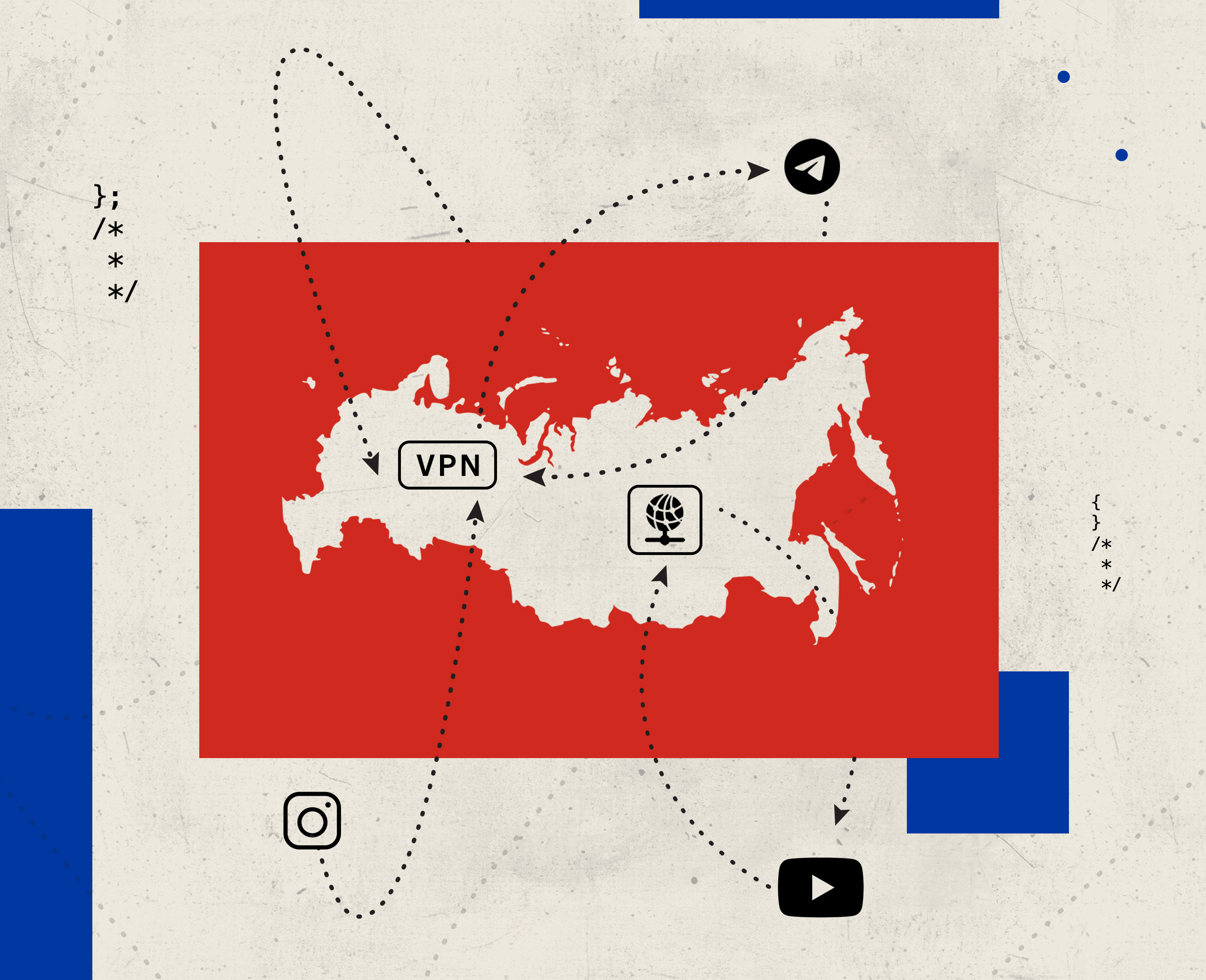
Since the war in Ukraine began, actually delivering reports to Russian audiences has become something of a cat-and-mouse game, with newsrooms setting up mirror websites and Kremlin agencies shutting them down. Over the past four and a half years, many publications have developed more sophisticated methods of distribution. “Instead of sharing the links to our website, we share links to HTML files which are being hosted on Google,” Anin said. “And since Google is still not blocked in Russia, people can access them.” Most news outlets now have their own apps with built-in anti-blocking tools, too. Thanks in part to explainers and how-to guides produced by exiled publications, Russian news consumers have become experts at using VPNs, or virtual networks that enable nearly half of all Russians to access banned platforms such as YouTube, Instagram, and Telegram.
As the far-reaching Ukrainian strikes became impossible to ignore, they posed a new challenge for Kremlin propaganda. “The main tool they use is silence. Drone attacks are not spoken about in official government media,” Mika Golubovsky, an editor at Mediazona, told me. But even for the Kremlin’s spin masters, reframing an attack like the strike on the Kapotnya refinery, which provides half of Moscow’s fuel needs, or the multiple hits on Wildberries warehouses isn’t easy.
Kolpakov believes that in recent months, pro-Kremlin media have gotten more reactive than proactive. “They are losing initiative in this information war,” he said. Others argue that even as Putin still puppeteers most of the Russian press, its goal is not providing a trusted narrative, but “forcing people not to do anything and not to believe anyone,” Anin said. “Apathy is the primary mood.”
But even if the elections are a farce, Anin believes they could be a turning point. Recently, iStories looked into Google search trends among Russians and found a major spike in interest for property in Georgia and other neighboring countries. “People running from the country does not work well for the Kremlin’s image,” he said.
Has America ever needed a media defender more than now? Help us by joining CJR today.