Sign up for the daily CJR newsletter.
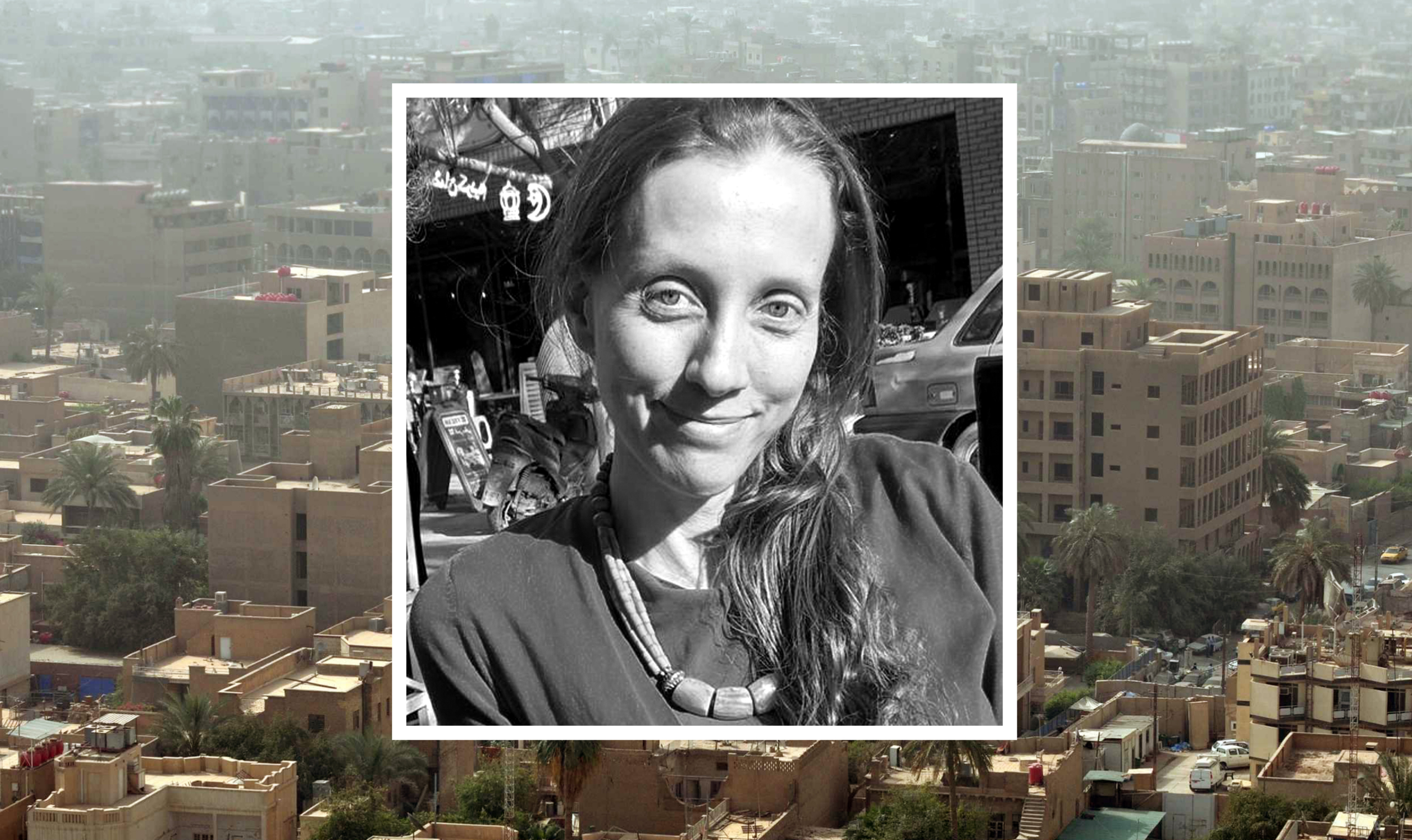
Early on Tuesday morning, I was woken up by an unusual series of pings on my phone. Messages appeared on my Signal and WhatsApp; missed calls. None of it made sense to my brain, which was still asleep, or my eyes, half closed. All I could comprehend were a few words, “Shelly,” “kidnapped,” “Baghdad.”
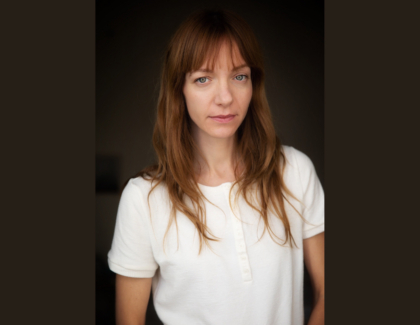
Just a couple of days earlier, I had spoken with Shelly Kittleson, a forty-nine-year-old freelance journalist who has been part of the Coalition for Women in Journalism (CFWIJ), the organization I lead, since its inception. Before CFWIJ was a press freedom support nonprofit, it was a volunteer-based mentorship network; Shelly had always been part of our peer groups. I met her almost a decade ago when I was a correspondent in the Middle East—we would often cross paths in Istanbul or Erbil, while covering Iraq and Syria. My first impression of her was that she was driven, gentle, firm, knowledgeable, and somehow the combination of these made her feel safe to be around. Once, in a conversation about the challenges of being a freelancer, I asked why she still did it. I remember she said, “Because I believe in it.” She meant journalism. She believes in the craft.
Shelly has been covering the Middle East for more than a decade, from the rise of ISIS in the Iraq-Syria region to the Syrian war and the country after the fall of Bashar al-Assad. Throughout, she has been an active member of our CFWIJ community, and has often stayed in touch when she is moving through unusual circumstances. She has informed us at times of receiving threats—and said that, if a story seems too dangerous, she’s decided not to pursue it. But the risks to her, as for most journalists today in the region, are part of the ecosystem within which she does her work.
That morning, as I began to grasp the significance of the messages, I got on the phone, confirming details, calling sources who knew about her whereabouts. I spoke to people with whom she had been in contact in the days before she entered Baghdad. Conversations she had about routes, threats, her next move. Members of CFWIJ spoke with Iraqi officials, United States officials, anyone who could provide clarity and help us develop an appropriate advocacy plan.
We received updates as the circumstances unfolded. US consular contacts and officials in Washington acknowledged they were aware of Shelly’s abduction; diplomatic channels were activated. We consulted with those who have experience in hostage situations, people who understand the mechanics of negotiation. Iraqi authorities, including the prime minister’s office, indicated that an investigation was underway. We received CCTV footage before it was made public, showing enough to confirm that Shelly was taken in broad daylight, by men who did not conceal themselves. Sources also indicated that an individual had contacted her and asked her to wait outside a hotel entrance. This appears to have been a setup, as the abductors were waiting for her there, where they forced her into a vehicle.
A suspect was taken into custody: the detainee is the driver of the vehicle. His name is Amir Jabbar Rahim Allah, a member of the Popular Mobilization Forces, Brigade 45—Kata’ib Hezbollah. Iraqi sources have told us that the vehicle used to kidnap Shelly is affiliated with the Popular Mobilization Forces, an Iranian-backed paramilitary group that operates within Iraq. Eventually, the CCTV footage was made public by Iraqi authorities, who underscored that they do not want to be blamed for this.
We know that when Shelly received threats this time, as in dozens of times before, she had weighed her options and arrived at decisions that made sense to her. This is how she has always worked. Over the years, I have come to understand that Shelly knows what she’s doing: she has been in the region through various geopolitical and humanitarian evolutions, and built connections and trust with sources. She works with a discipline that might not be dependent on visibility, but she is keen to learn and continue reporting. She is also vigilant about her safety and takes precautions. Just weeks ago, she was in Lebanon, completing a hostile-environment training—one that she has taken several times before, but she felt it wise to keep herself sharp. She understands that working in these environments requires more than instinct.
Shelly does often work without formal commissions, which has been noted in some of the coverage about her, as though it is something questionable, for a reporter who has been committed to telling the stories from the Middle East. But some of the best journalists stick around and find unique ways to navigate barriers of understanding, regardless of what they can count on coming through from news outlets. Shelly’s commitment to journalism, I’ve come to find, is unconditional.
Has America ever needed a media defender more than now? Help us by joining CJR today.