Sign up for the daily CJR newsletter.
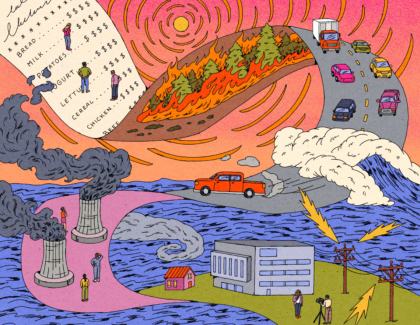
The 2024 floods in Rio Grande do Sul, a state in southern Brazil, were the largest climate disaster the region had ever seen. Overnight, water covered entire neighborhoods and displaced more than four hundred thousand people. Information spread rapidly, too. People shared shelter addresses, rescue requests, and updates on rising water levels through WhatsApp groups and volunteer networks.
But abundance did not mean accuracy. Vital messages circulated alongside unverified warnings, as volunteers raced to update spreadsheets and vet information. In one case, notifications that the water level was receding led a family to stay home. But they were making decisions based on information that was incomplete, outdated, or wrong. Two family members died.
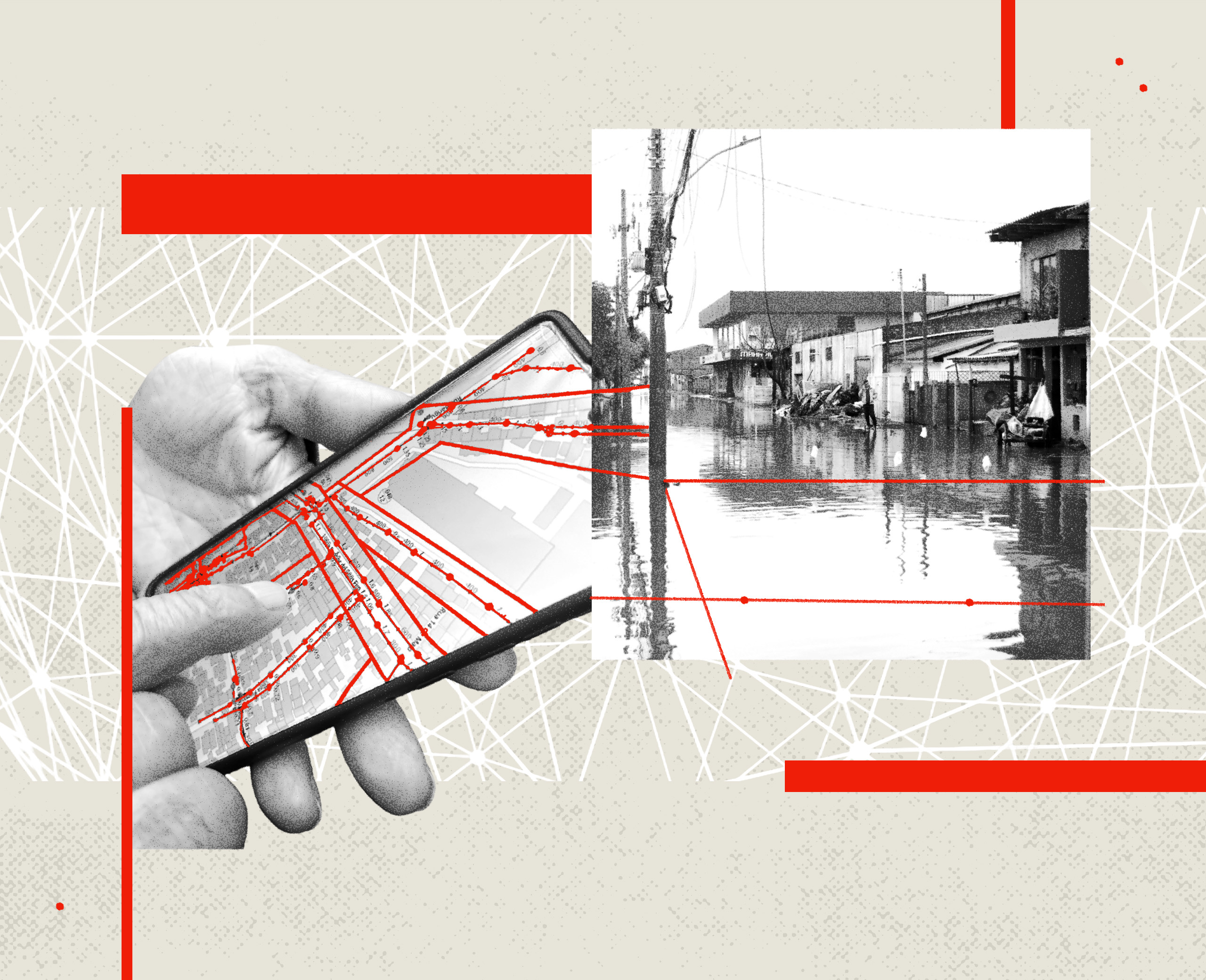
In Rio Grande do Sul, journalists found themselves reporting as well as verifying, clarifying, and connecting information shared by others. Reporters in Porto Alegre, the state’s capital, created a WhatsApp group that grew to more than six hundred people, eventually including researchers and public communications officers. Before releasing a Civil Defense risk map, public officials shared it in the group—and journalists and researchers flagged important missing context that was needed to steer residents to safe ground. Months after the flood in Sarandi, a poor and historically neglected neighborhood, residents faced a different problem: clogged drainage, which exposed them to yet more flooding. Partnering with local media, the neighborhood association produced a georeferenced map of the clogged drains and used it to pressure the city into action.
These examples—presented in research we have been working on for Fundação Getulio Vargas, in Brazil—reveal a system that often remains invisible, in which journalists share responsibility for information verification and distribution as a collective community resource. In a crisis, when no single institution has all the answers, journalists, researchers, and officials can work together to compare information, correct mistakes, and make updates as useful as possible before they reach the public.
Similar collective information-sharing has arisen elsewhere in response to disasters. As a Venezuelan journalist, Tony Frangie Mawad, told CJR last month, after the region’s devastating earthquake in June, journalists became part of an impromptu network, in which they “transformed our accounts into platforms to connect people in need to those who could help them. NGOs and even embassies started reaching out and communicating through us.” Redsonadoras, a women-led media site, created a crowdsourced database to enable people to find their loved ones, fueled by readers’ reports and requests.
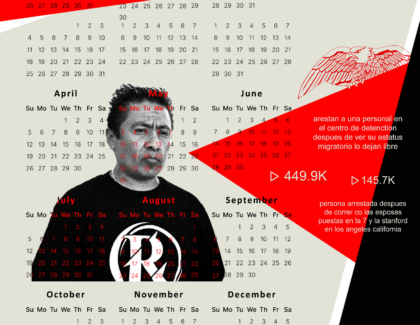
And in the United States in recent months, as immigration enforcement activity has intensified, information has moved through informal channels: WhatsApp groups, Facebook posts, Signal chats, social media pages, rapid-response networks, and neighborhood accounts. People note where Immigration and Customs Enforcement (ICE) agents are, whether a sighting has been confirmed, what to do if a relative is detained, and what details can be shared without putting someone at risk.
For six years, Cicero Independiente, a civic newsroom in a majority-Latino town outside Chicago, had been operating as a typical newsroom, with an editorial calendar, clear roles, and a defined workflow. But when reports of ICE activity began circulating, that traditional structure became a constraint. Information moved faster than journalists could assign, report, or publish. The newsroom shifted. Relying on relationships built over years, Cicero Independiente worked with rapid-response networks, organizers, residents, and local social media accounts. The newsroom shared verification practices with residents and began managing a local ICE-sightings Facebook group to address misinformation directly. The change in approach was less about becoming the source of every answer than about helping residents ask better questions before sharing what they saw.
In New York, Documented saw rumors move quickly through TikTok, YouTube, and family networks, but ICE activity was often hard to verify. Warning people to avoid a street without enough evidence could cause harm, including missed work, lost income, or fear of attending a court hearing. The newsroom made an early distinction between being responsive and being reactive. “The goal was to give people enough context to make decisions,” Rommel Ojeda, Documented’s community correspondent, told us.
In California’s Central Valley, a community newsroom called uSpark, aimed at millennial and Gen Z audiences, has leveraged existing connections to networks responding to Border Patrol activity, as residents sent alerts through social media and activists coordinated through Signal groups and local meetings. “We were already embedded and reporting along with what was going on,” Luna Cortes—uSpark’s founder, who is also one of its reporters—said. At first, residents sent alerts directly to uSpark because the local rapid-response system, Valley Watch, wasn’t well known. When its inbox was inundated with tips, uSpark began redirecting alerts to Valley Watch, which helped the information ecosystem work. As time went on, uSpark received a grant from the Central Valley Democracy Fund, funded by the James B. McClatchy Foundation, and hired an immigration reporter; it also distributed at least ten thousand know-your-rights cards during the first month after ICE operations began.
The collaborative information-sharing approach has been effective, but it remains fairly unrecognized and unfunded. A 2024 census of civic media conducted with the News Futures network, a community of practice working toward information equity, studied eighteen news organizations whose work strengthened community ties or promoted civic engagement. Even among these civic-minded outlets, few had community engagement or civic partnership roles on their executive teams. The funding gap is similar. Nearly half of the organizations had no budget for training journalists to work with communities, even though many ran programs for community members. Only 38 percent paid people who contributed to reporting or information production. Without support, the network depends on people who may not be able to stay involved once the immediate crisis passes.
A Media Impact Funders report argues that journalism needs to build infrastructure that is “shared, long-term, coordinated, and system-oriented,” rather than episodic or project-bound. That includes adding coordination roles, offering community training, building trusted networks, and maintaining relationships with community organizations between crises.
This shift in strategy, as we have seen in Brazil, Venezuela, the US, and elsewhere, does not make journalism less important in a crisis. Rather, it helps communities trust, share, and act on information when it matters most—by drawing on journalistic expertise.
Has America ever needed a media defender more than now? Help us by joining CJR today.