


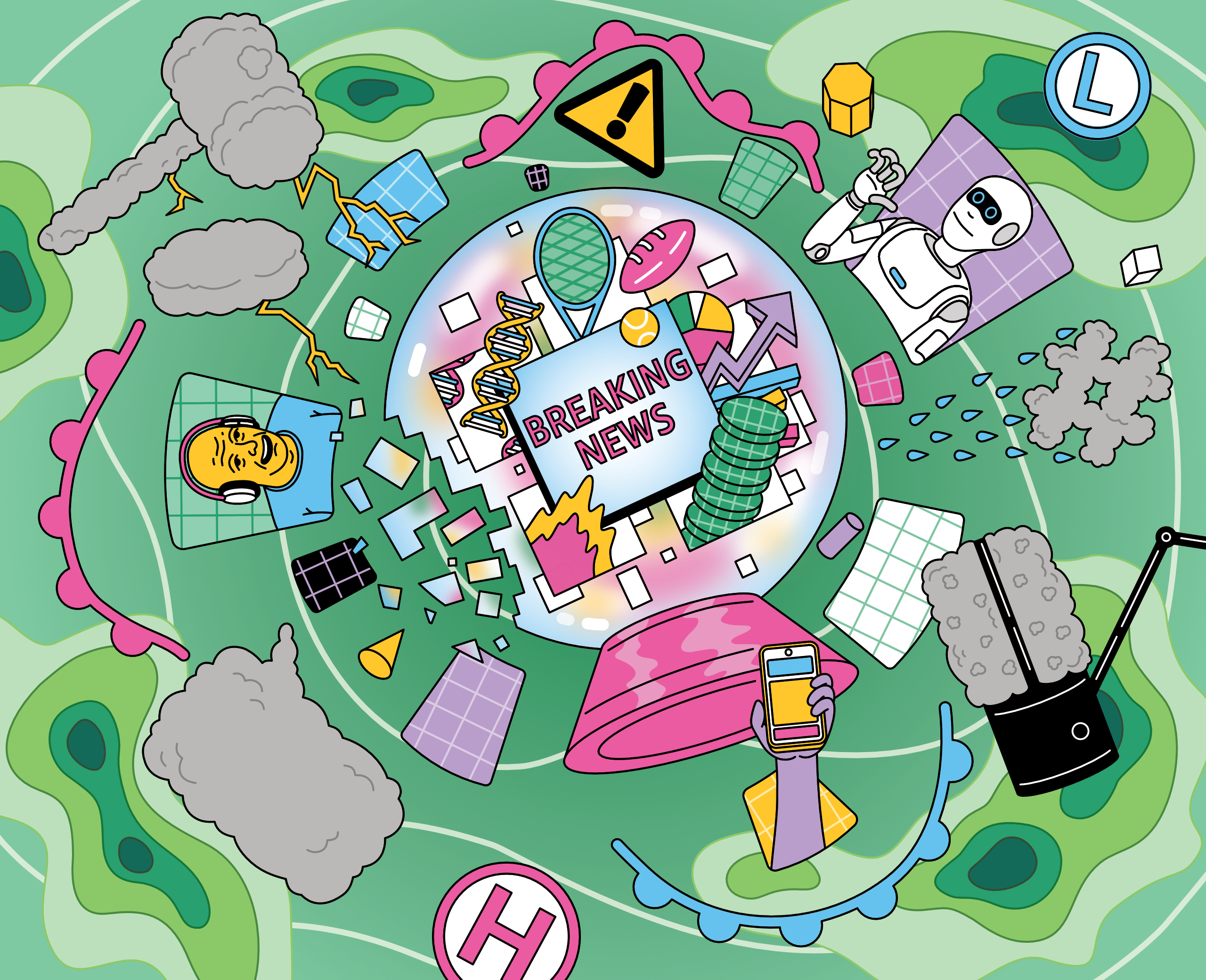
We don’t know what exactly the future holds, much as we may want to believe we do. Looking at the transformations of the media industry, and at shifting habits of news consumption, maybe we can do something like meteorology, and put together a forecast. In this issue and an accompanying podcast series, we are watching where the wind blows: the way online discourse has embraced debunking, how news delivery has shortened to bullet points and expanded to fill the length of unedited three-hour podcasts, the proliferation of bias monitors cataloguing articles and presenting themselves as arbiters of truth, the appearance of AI-powered widgets that deliver information for the price of data collection, the ascent of the news influencer, the demise of search traffic. Clouds collect over the present. There are a lot of unknowns about the next twenty-five years for journalism. But we can, at least, dress for the weather.
Forecasting
Future Forecasting
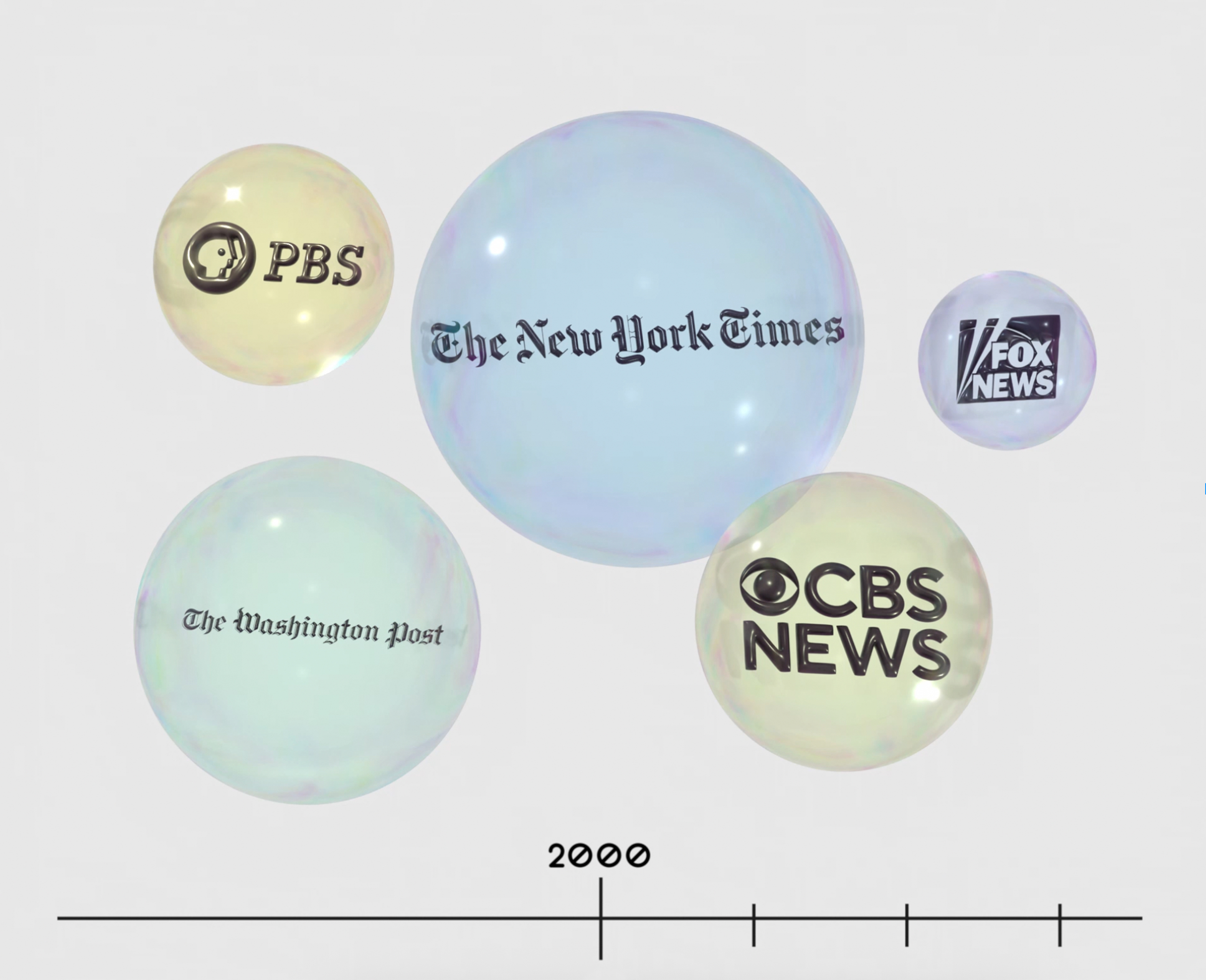
Introducing the Journalism 2050 Issue.
The O.G. News Influencer
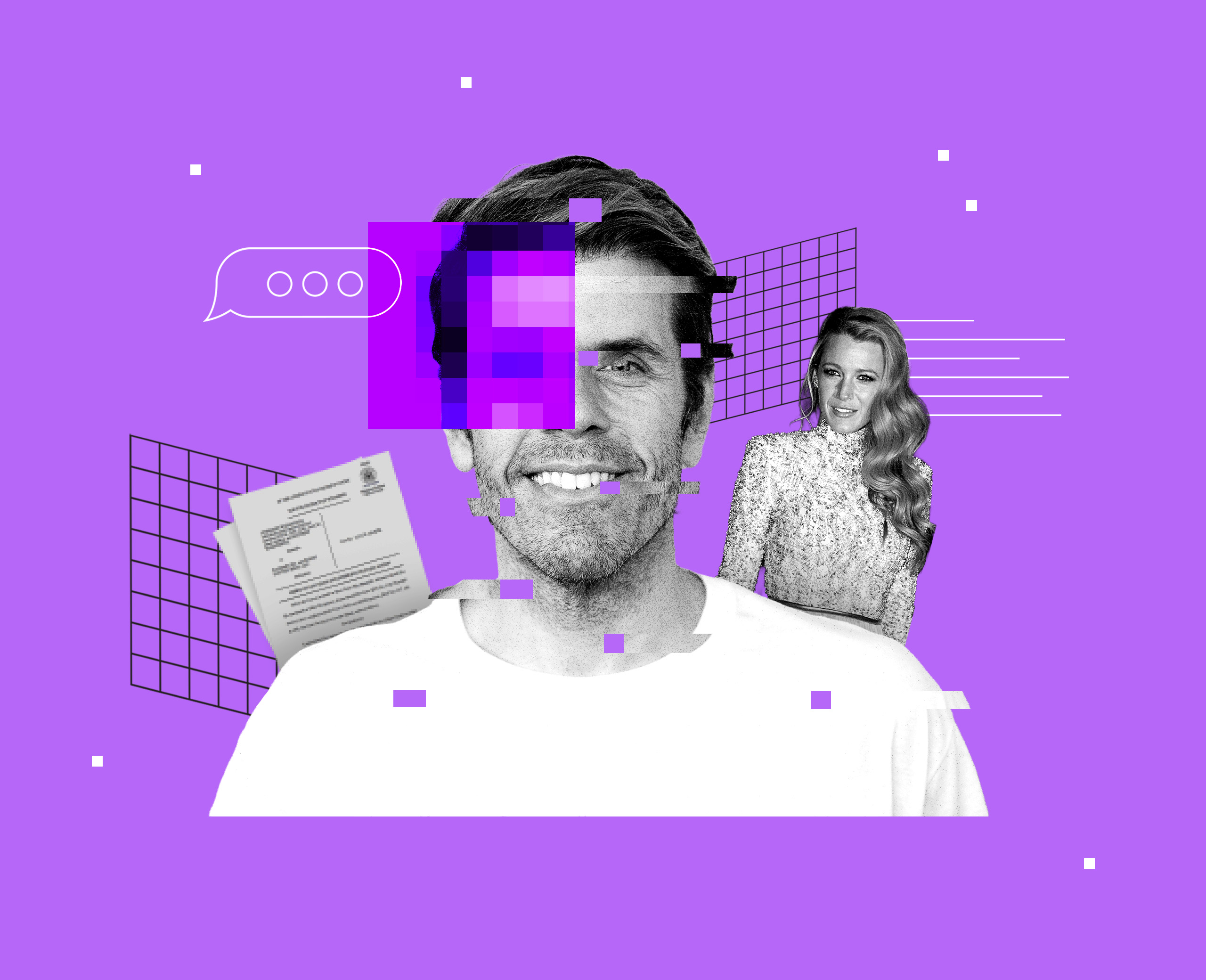
A recent lawsuit tested whether Perez Hilton is a journalist. Reporters and influencers should be equally concerned with the legal answer to that question.

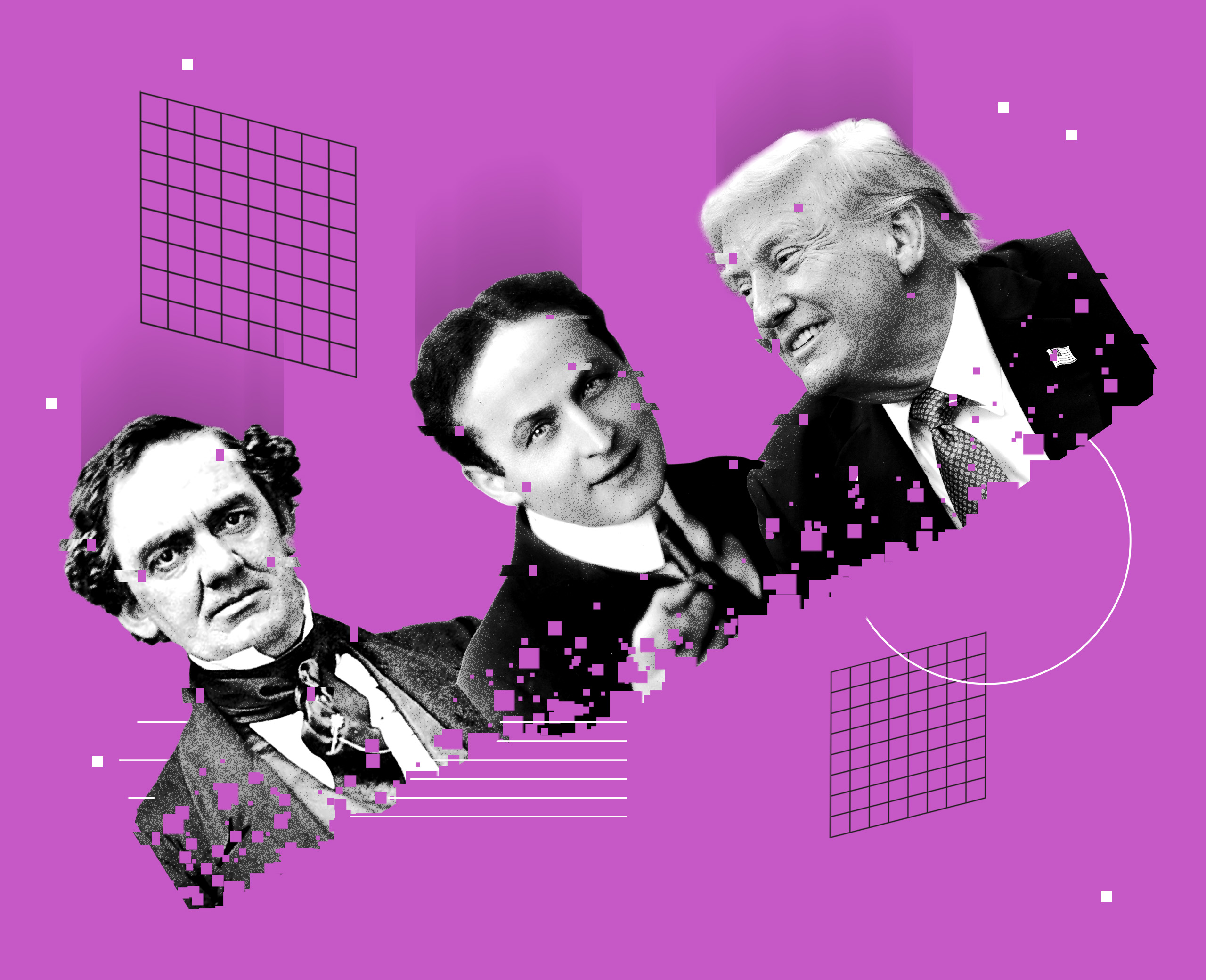
The Media, Debunked!
In our very online news environment, truth and lies are becoming interchangeable.

‘I’ll Hear About It Eventually’
So-called news avoiders aren’t really skipping out on the news. They have alternative, often indirect sources of information.
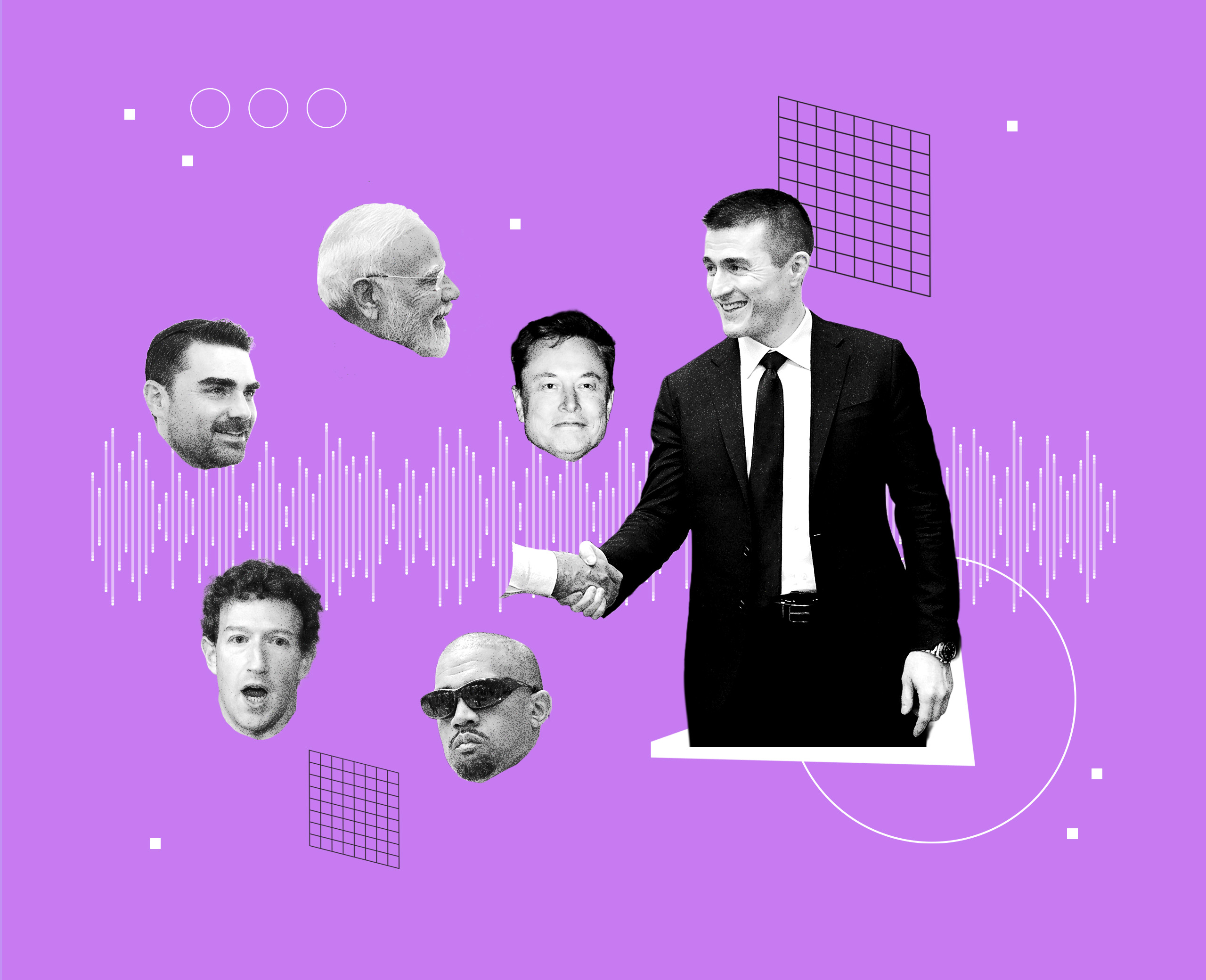

The Direct-to-Consumer Playbook
What happens when politicians can get their message out without the press.

Pivoting to Creator
An interview with Liz Kelly Nelson, who wants to help journalists navigate the independent creator economy.
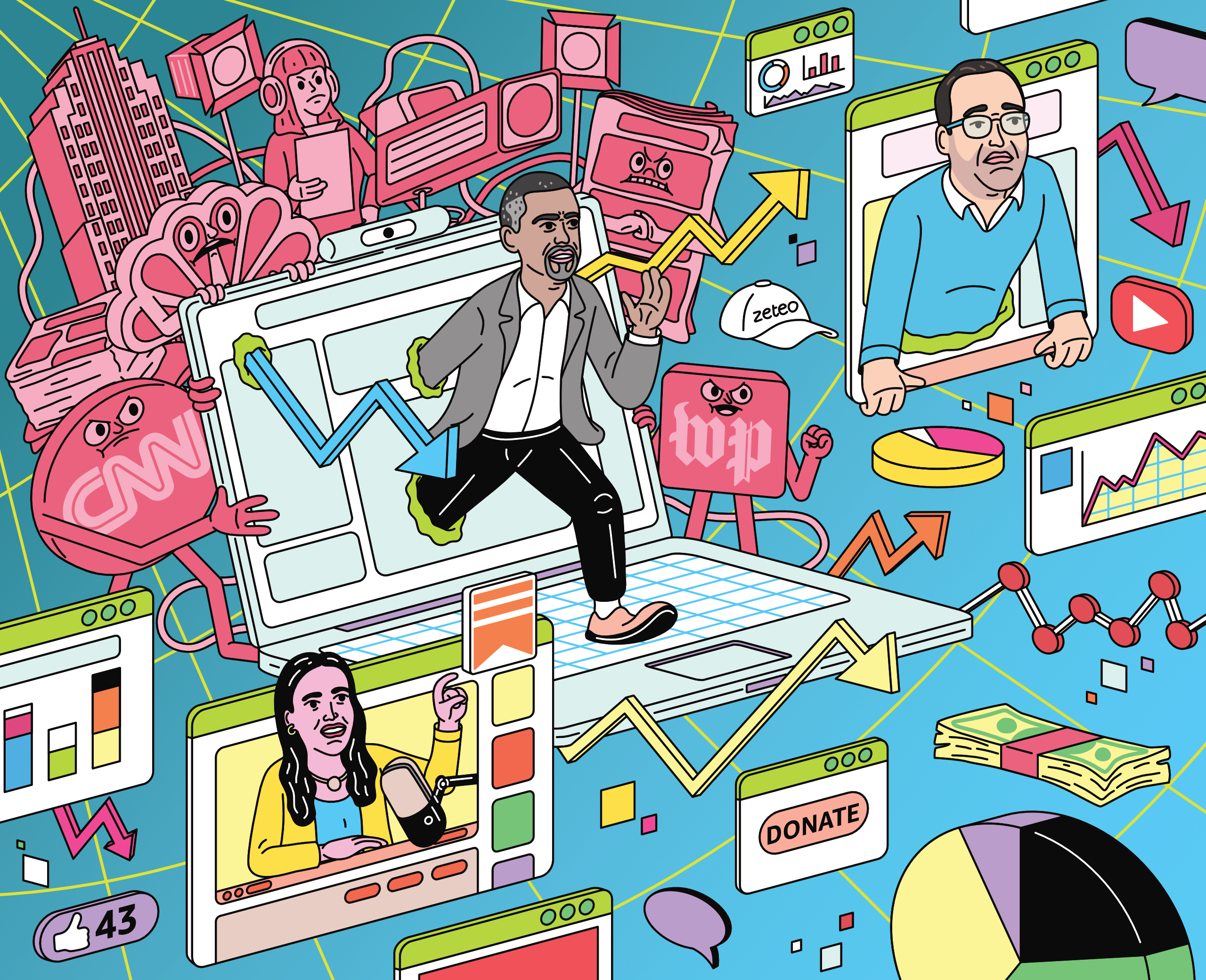
The Journalism 2050 Podcast
Talking with the smartest minds in media about how we got here and where journalism is headed.
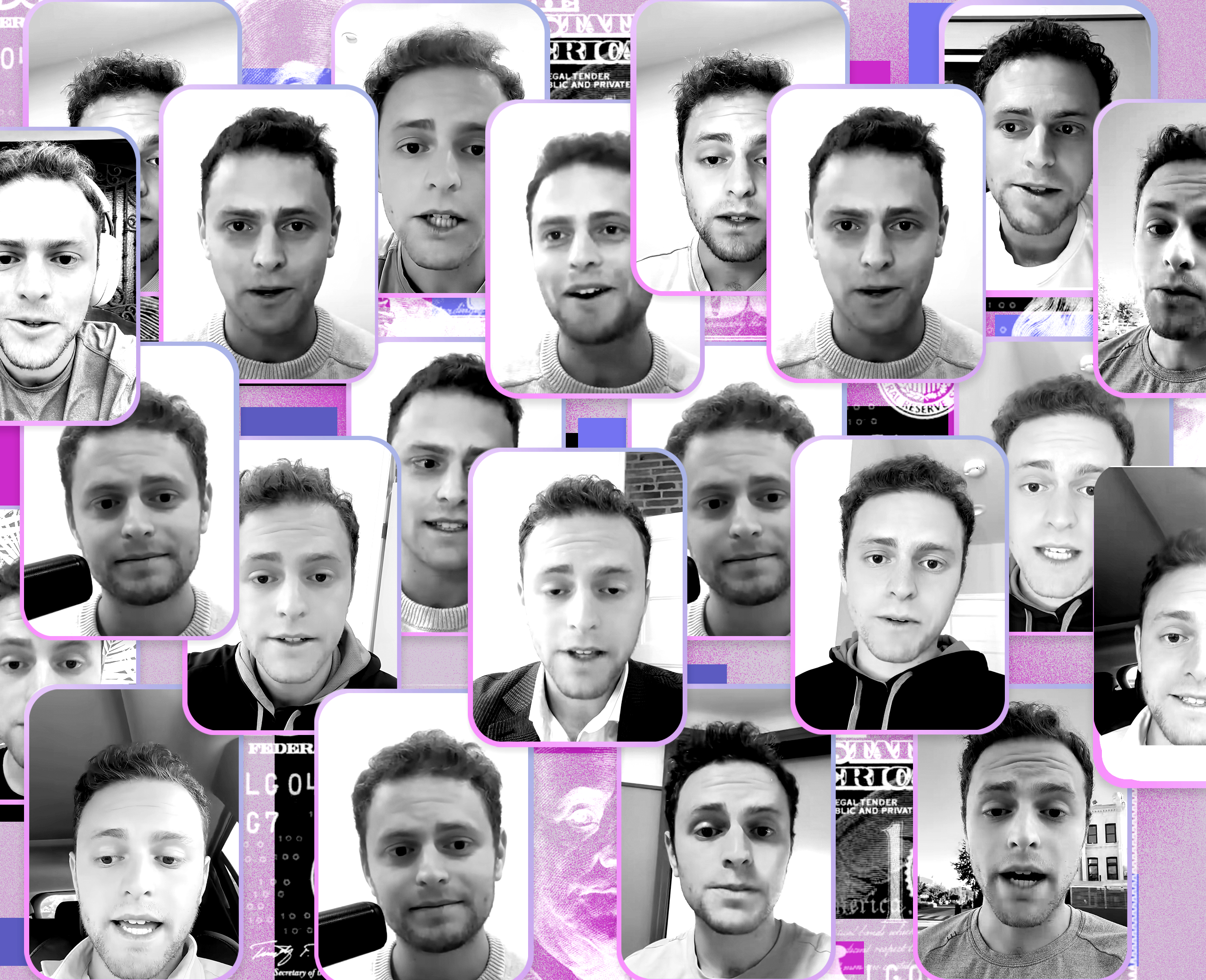
Creative Control
Aaron Parnas, a twenty-six-year-old with a larger TikTok audience than some mainstream outlets and the most popular “news” Substack, is making his own journalism rules—and taking dark money.
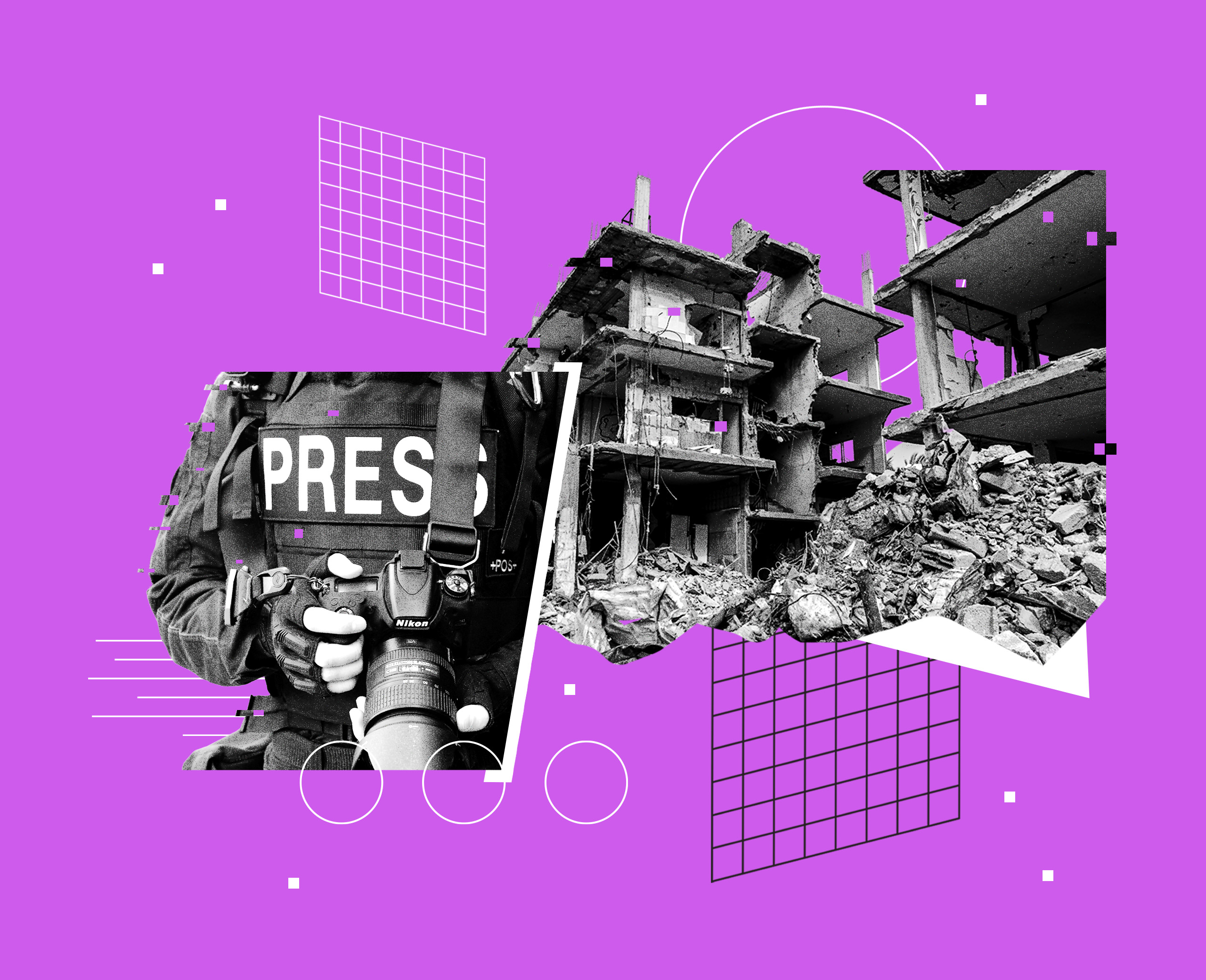
Recipe Book
What the crisis for press freedom in Gaza portends.

What the Future Looks Like
How an AI-mediated world transforms news consumption.
Fact-checking for this issue was provided by Kris Cheng, Matthew Giles, Sophie Kemp, and Will Tavlin. Copyediting was done by Mike Laws. This issue is brought to you by the Columbia Journalism Review in collaboration with the Tow Center for Digital Journalism, thanks to support from the Patrick J. McGovern Foundation.
