


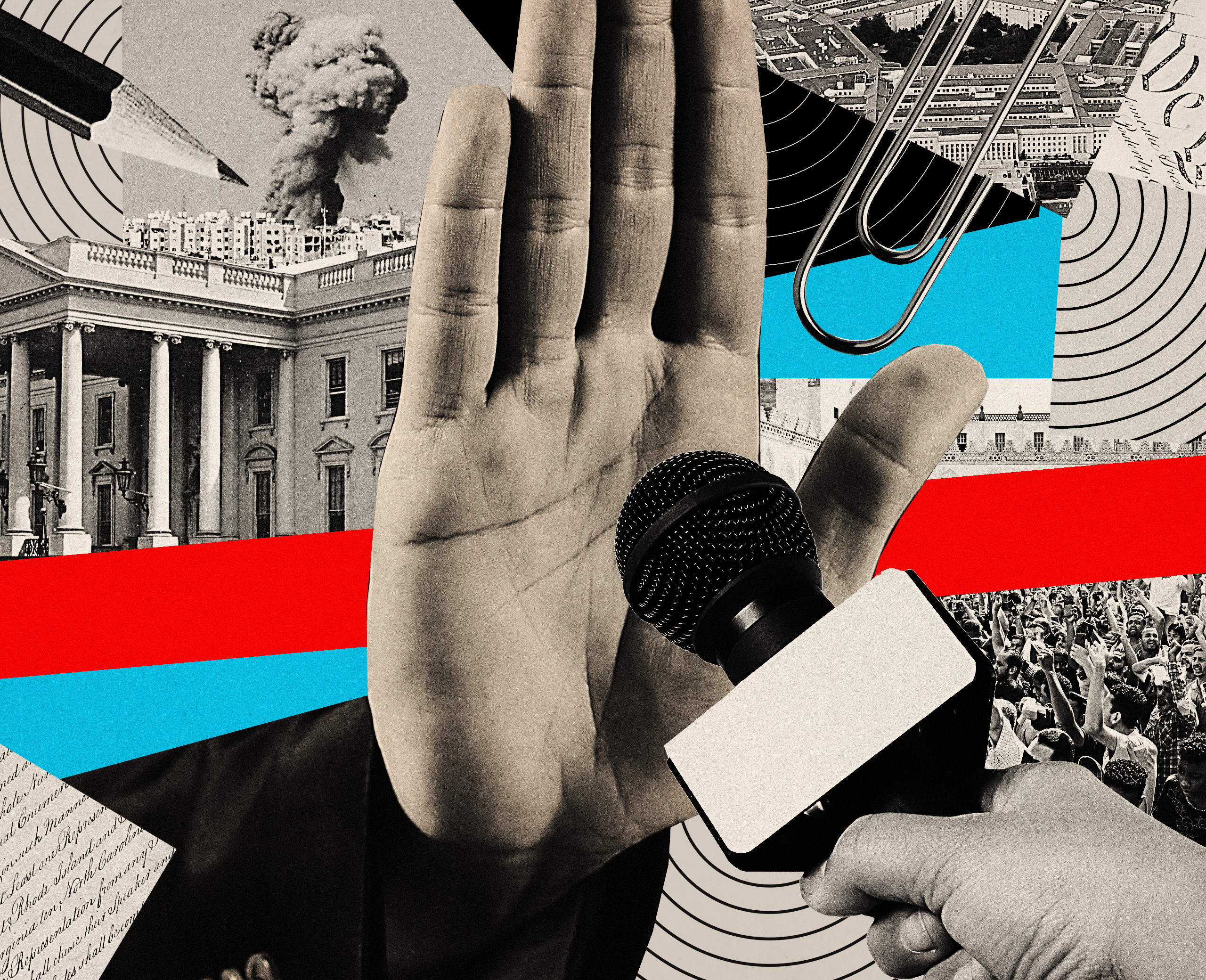
Our media moment might be defined by a certain paradox: Society has become increasingly fractured, such that people get their news and entertainment from a wider array of sources, each of them appealing to a community or niche. At the same time, much of that media—particularly when it concerns news—rises or falls on the level of access to influential figures. Members of the traditional press increasingly find themselves locked out of the Pentagon, the White House press pool, statehouses, and Hollywood junkets, displaced by influencers deemed to be friendly to the cause at hand. Our old framework for “insiders” and “outsiders” no longer applies, and trust in journalism is plummeting. Access suggests exclusivity, but it seems like everyone has the president’s cell number. Trade-offs may be made to secure an in, trust needs to be earned, the best reporting often comes from the outside, some things never change. What’s really new, maybe, is who has access to us—what material is platformed, and amplified, as never before.
Inside and Out
Who Sets the Narrative of Public Life
Introducing the Access Issue.
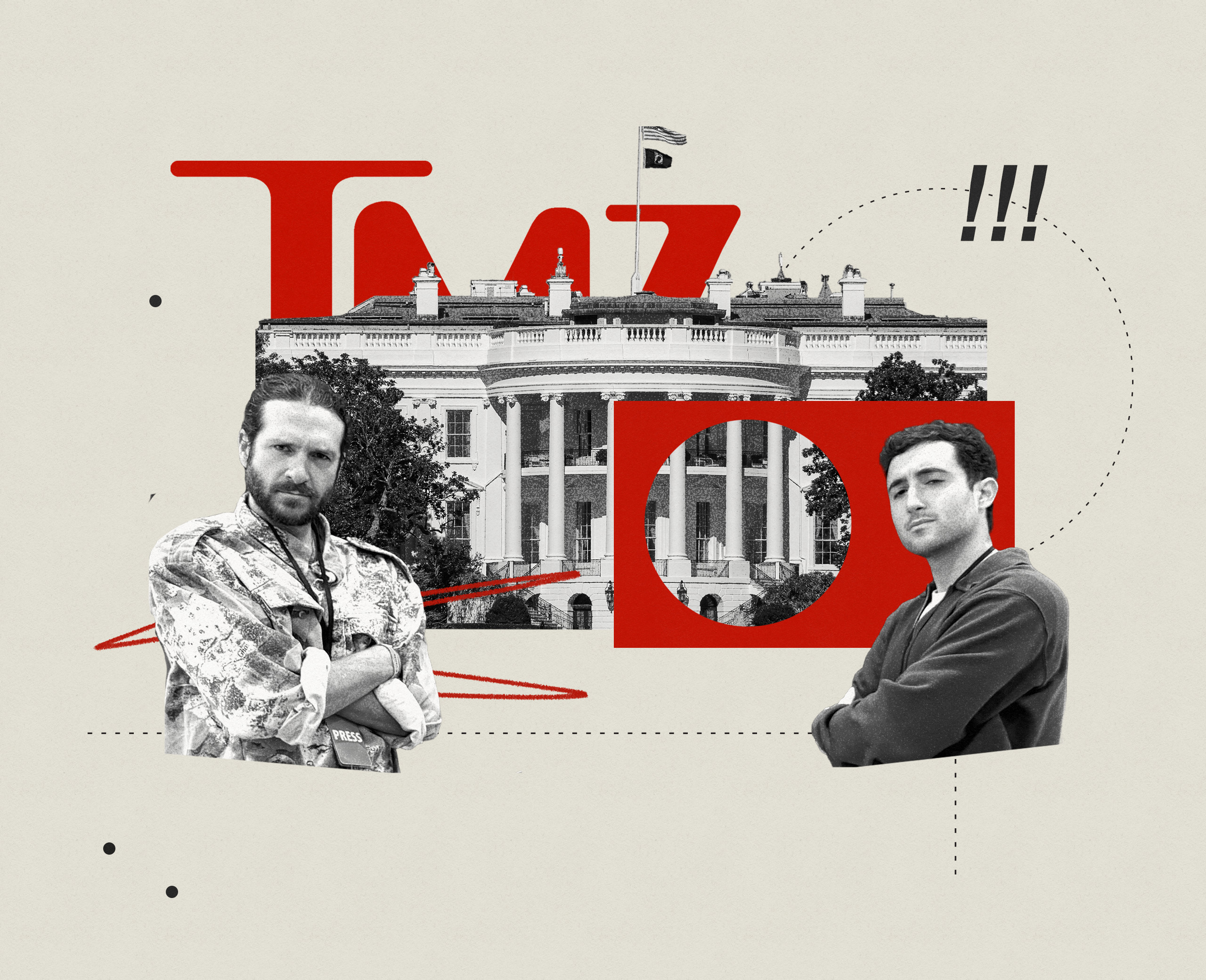
TMZ Goes to Washington
Harvey Levin sent in a team of reporters who break the mold—and reach a new audience.


The Secret Dinners of Cold War Journalism
How invitation-only reporting took root in Washington’s press corps.
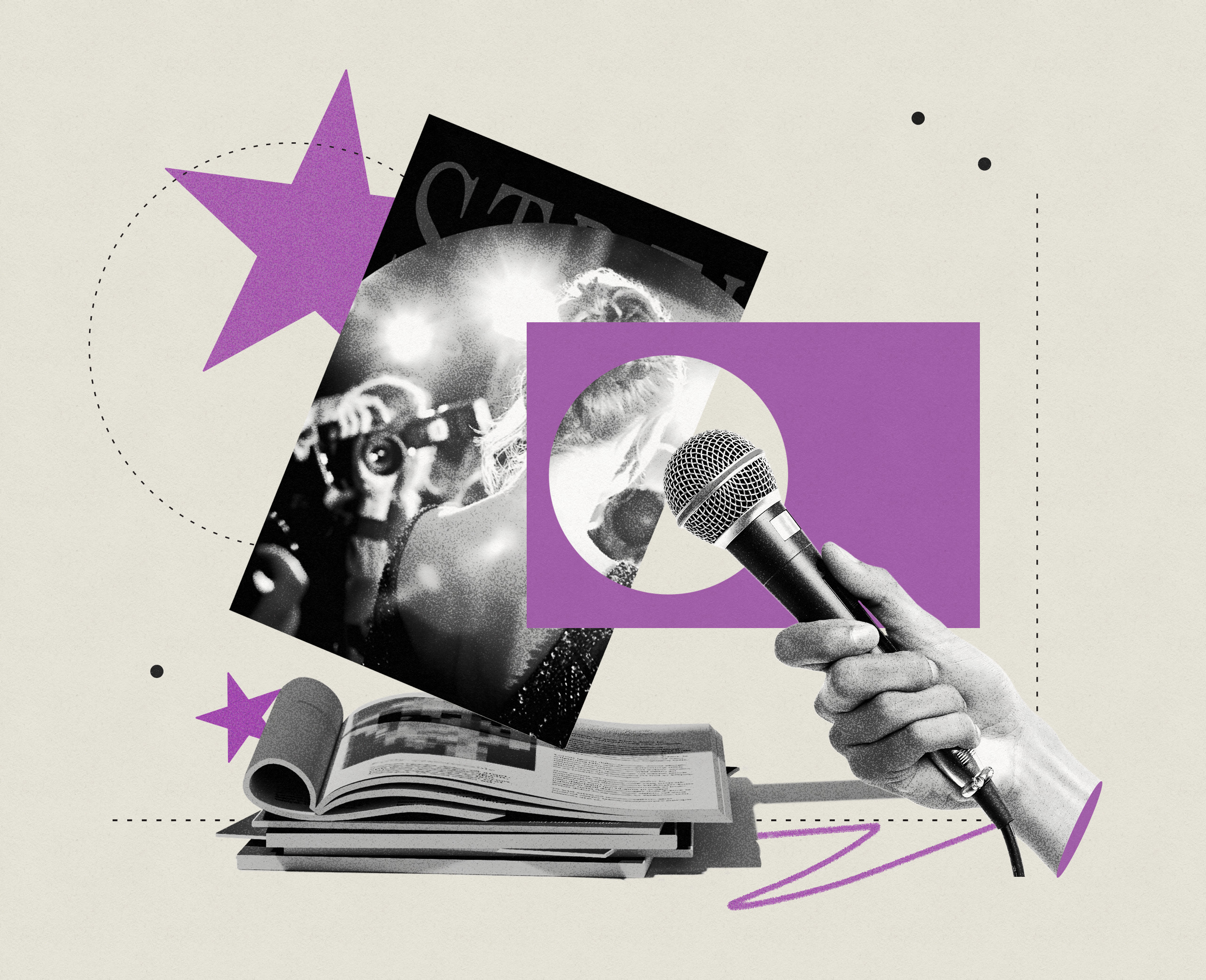
How to Land a Celebrity Profile
The pressure to accommodate a famous person in exchange for access can encourage compromise. But stars don’t hold nuclear codes.
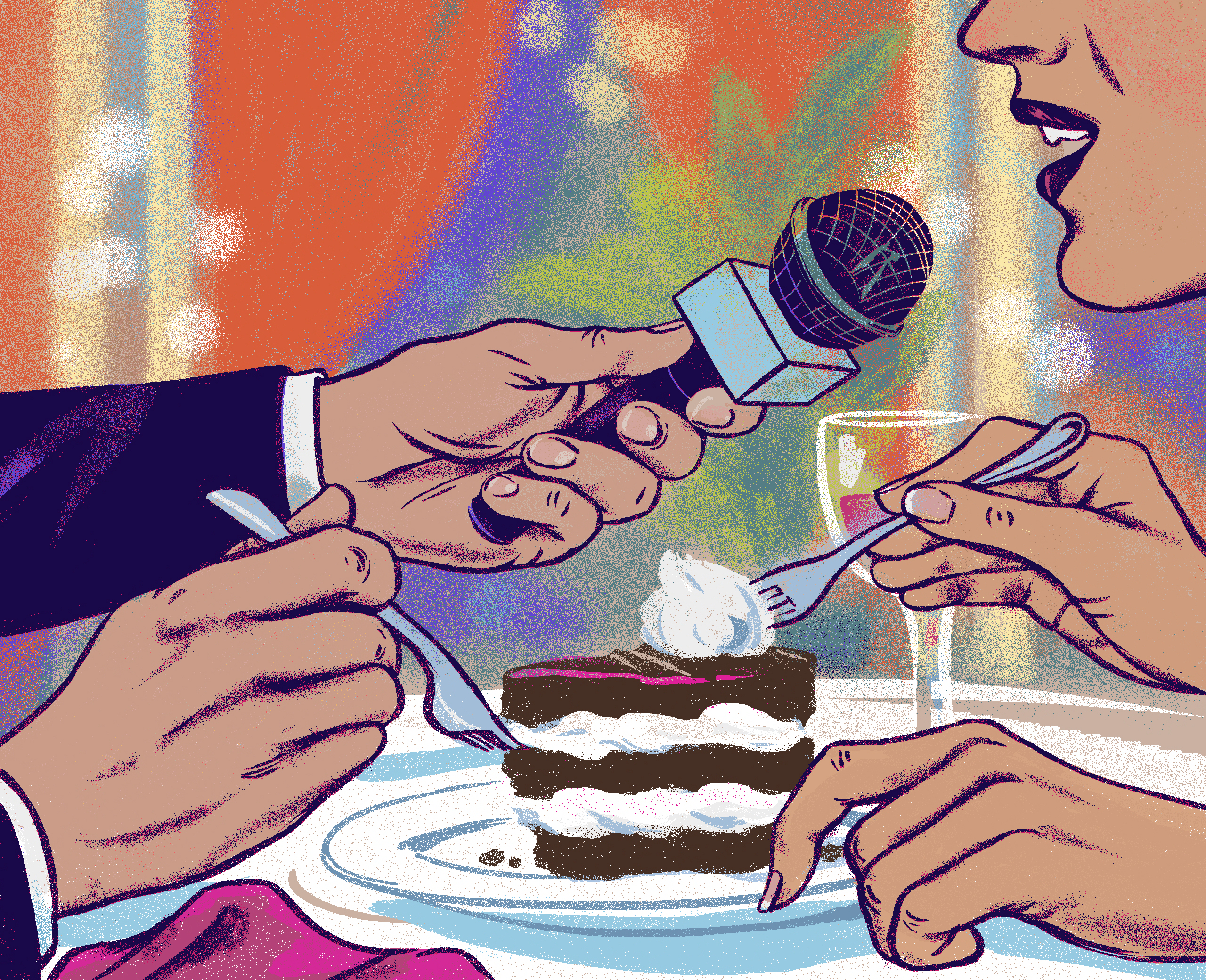


How the Pentagon Tried—and Failed—to Silence Reporters
Pete Hegseth restricted journalists’ access. They managed to do essential reporting anyway.
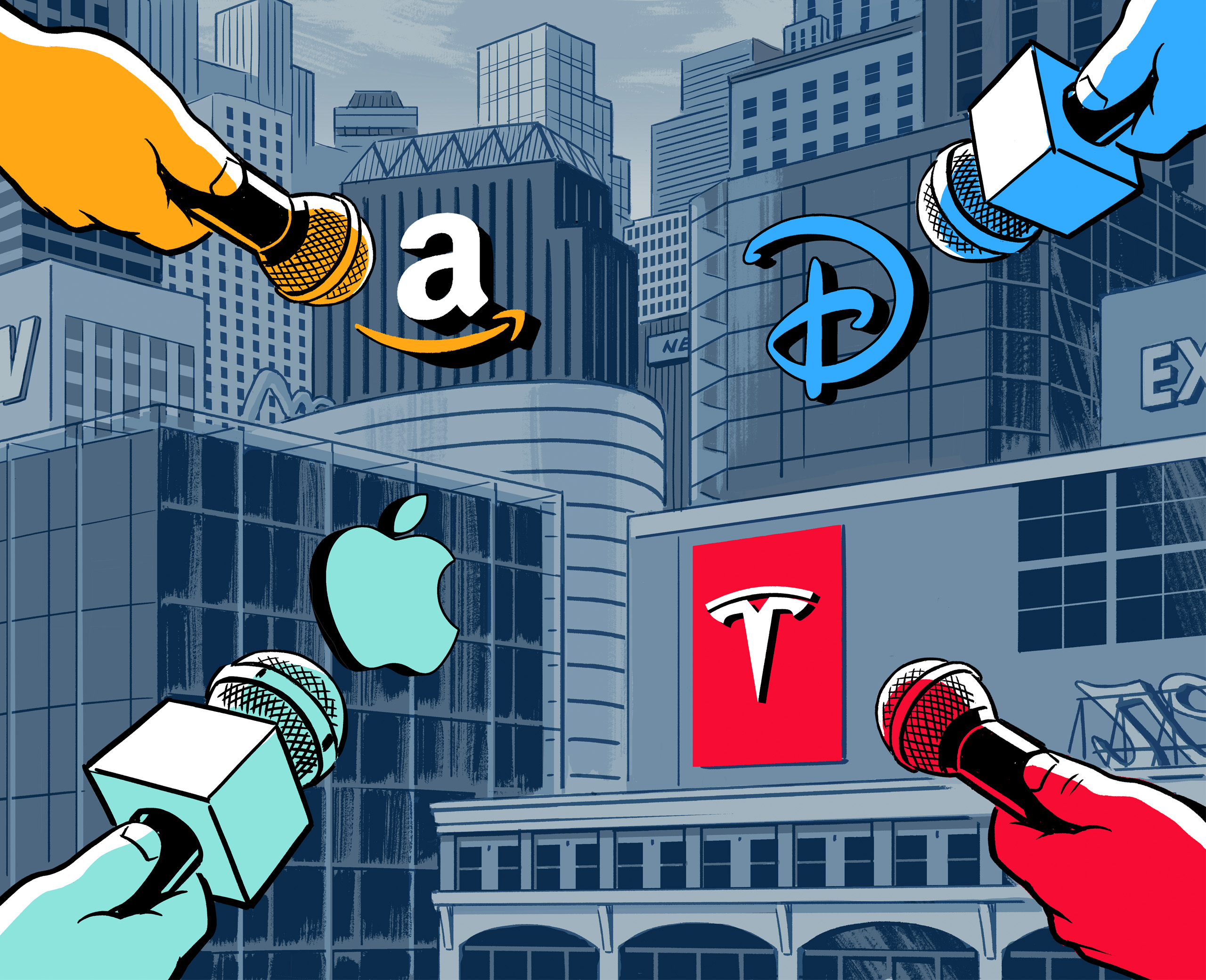
One Company, One Beat
How four reporters cover the biggest businesses in America with their full focus.
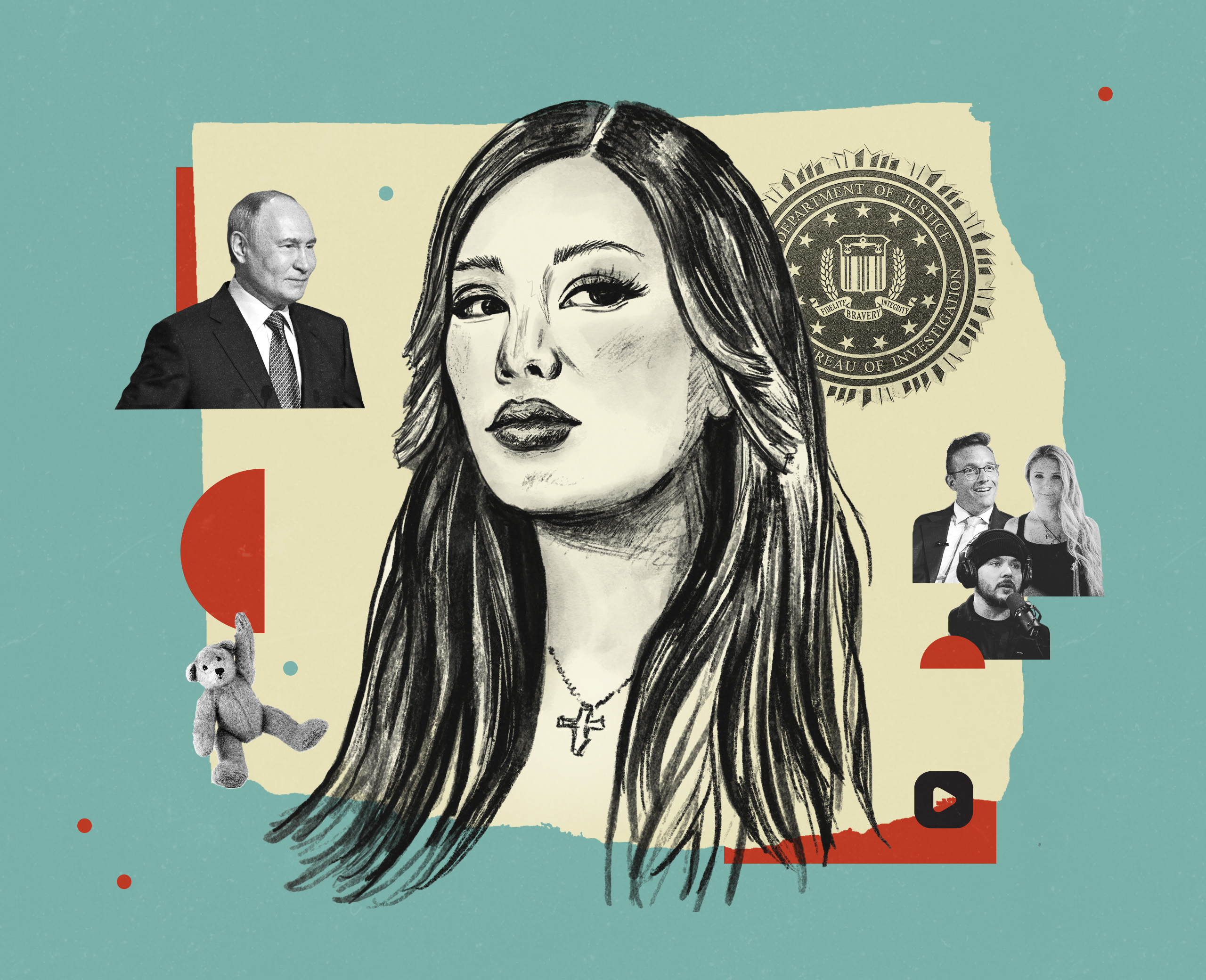
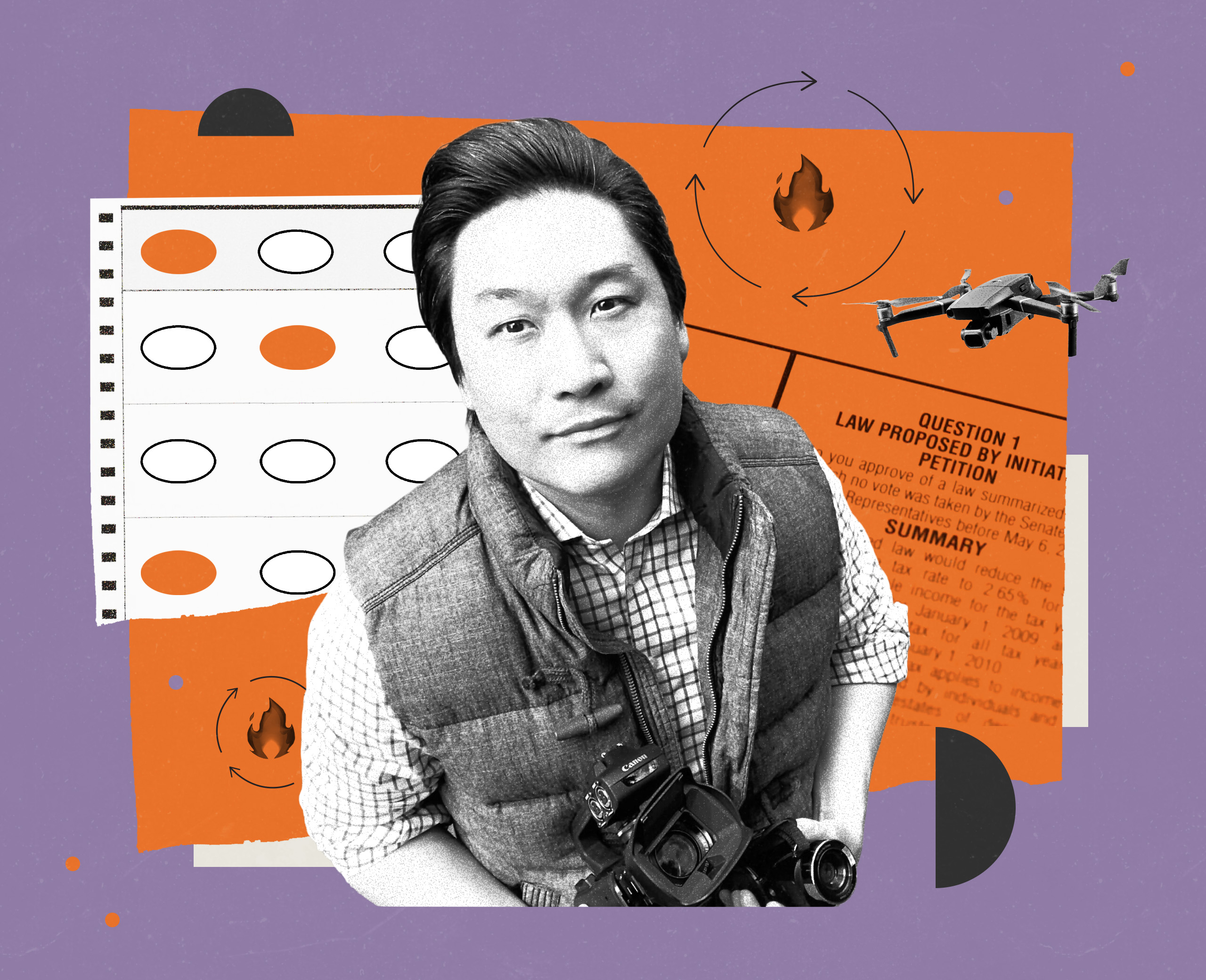
‘You Gotta Be a Renegade’
Jonathan Choe, “the news influencer slash journalist,” as he says, used to work in local TV. Now he is part of the MAGA-endorsed “future of independent journalism,” squeezing through cracks in the traditional press.

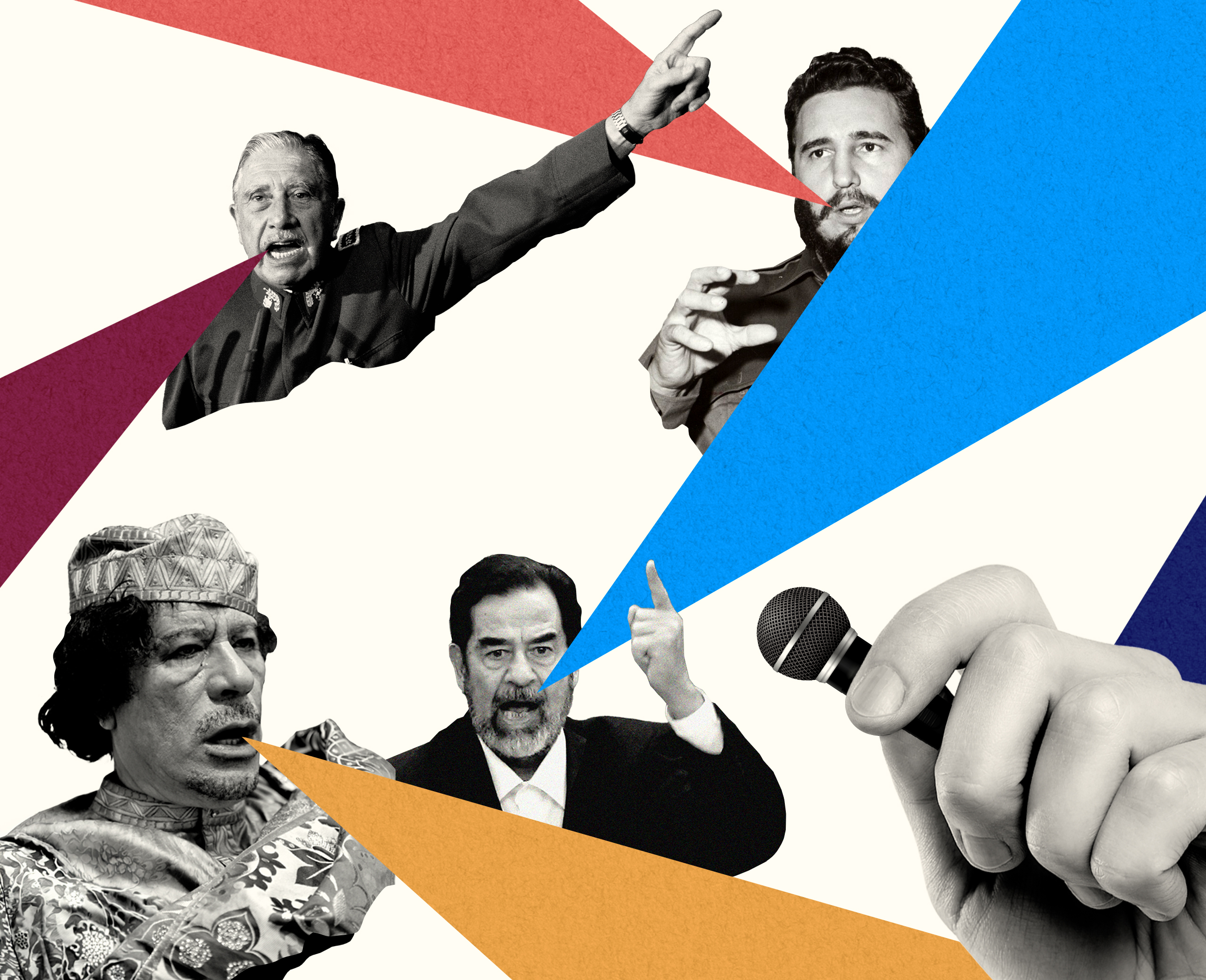
Access Isn’t Everything
Reporting on powerful people doesn’t always mean getting close.
Fact-checking for this issue was provided by Kris Cheng, Matthew Giles, Sophie Kemp, and Will Tavlin. Copyediting was done by Mike Laws.
